What is a balloon mortgage loan
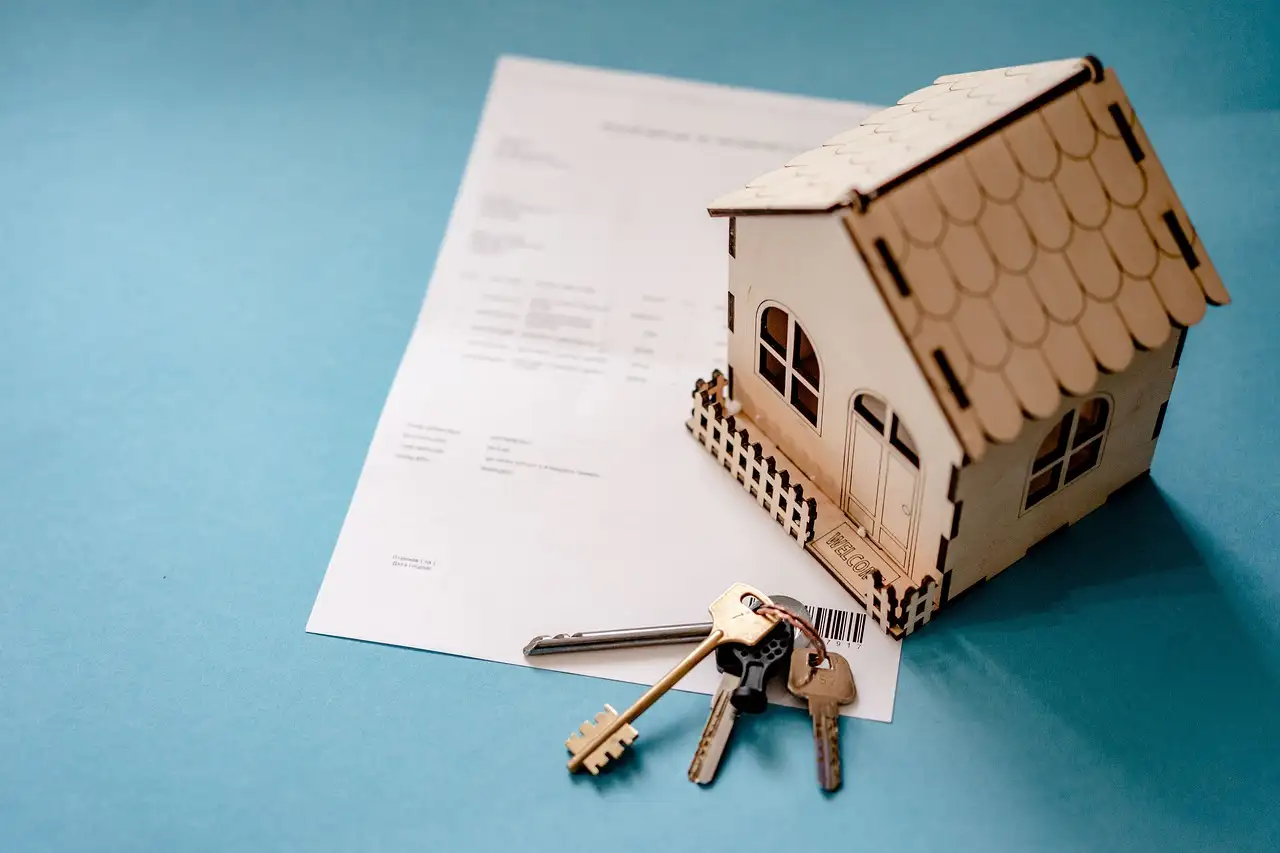
Thinking about buying a home is exciting. It’s a huge step in your life. You look at properties, imagine decorating your rooms, and plan your future. Then comes the practical side: figuring out how to pay for it. Most people need a loan. When you explore your mortgage options, you might bump into a term that sounds a little unusual: the balloon mortgage loan. It is important you understand what this financing tool involves before you sign any papers.
Understanding the Balloon Mortgage Loan
What exactly is a balloon mortgage loan? Simply put, it is a type of home loan that does not fully amortize over its initial term. Amortization is the process of paying off a debt over time with regular payments. Think of a standard 30-year fixed mortgage. Every payment you make goes toward both the interest and a little bit of the principal balance. Over thirty years, that principal shrinks to zero.
A balloon mortgage works differently. You make regular monthly payments, just like with a traditional loan. However, these payments are usually calculated as if the loan term were much longer—say, 30 years. This keeps your initial monthly payments quite low, which is attractive when you are budgeting.
The Big Payment Looms Large
Here is where the "balloon" part comes in. The loan term is much shorter than the amortization schedule suggests. You might have a 5-year or 7-year balloon term. At the end of this short term, a very large payment remains. This single, large payment covers the remaining principal balance that the smaller, regular payments did not erase. That final payment is the balloon payment. It is large because it represents the rest of the money you borrowed.
Imagine borrowing a large sum. You pay small amounts each month for five years. Suddenly, you owe the entire remainder of that large sum all at once. That is the reality of the balloon payment deadline, a feature sometimes found in loans like home equity loans.
 How Does a Balloon Mortgage Get Calculated?
Understanding the structure helps you see why some borrowers choose this path. Lenders calculate your initial monthly payments based on a hypothetical, longer repayment period. This period is often 15 or 30 years, even if the loan itself matures in five or seven years.
This mismatch—short loan term versus long payment calculation—creates that significantly lower initial monthly payment. You enjoy lower immediate costs. But you must prepare for the inevitable due date.
Key Features to Note About Balloon Mortgages
- Shorter Term: The actual life of the loan is short, usually five, seven, or ten years.
- Lower Initial Payments: Monthly payments are smaller because they do not fully pay down the loan balance.
- The Balloon Due: A substantial final payment is due when the loan matures.
- Interest Rate Structure: The interest rate might be fixed for the term or adjustable, depending on the specific balloon mortgage product you select.
Who Benefits from a Balloon Mortgage Loan?
You might wonder who intentionally chooses a financing option with such a large payoff requirement. Balloon mortgages appeal to specific types of borrowers with clear, short-term financial plans. They are not the best fit for someone looking for a simple, predictable payment structure lasting decades.
Borrowers often consider a balloon mortgage when they expect a significant financial event to occur before the balloon payment is due. Think about career advancement or a large influx of cash.
- The Short-Term Owner: If you know you plan to sell the property in five years, a balloon loan might offer you lower payments until the sale closes. You use the sale proceeds to pay off the loan immediately.
- The Expectation of Increased Income: Perhaps you are starting a business expecting rapid growth. You take the lower initial payment now, anticipating higher income later to easily handle the final large sum.
- The Refinance Strategy: Some borrowers count on refinancing the loan before the balloon payment hits. They assume interest rates will be favorable or their credit profile will improve enough to secure a better traditional mortgage later. This is a common strategy for obtaining an adjustable-rate mortgage with a balloon feature.
Navigating the Risks of Balloon Financing
While the low initial payments sound tempting, you must look closely at the risks involved in securing a balloon mortgage loan. The biggest hurdle you face is that final payment. If your plans change, or the housing market shifts, you find yourself in a difficult spot.
What happens if you cannot make the balloon payment when it arrives? You face foreclosure if you default on the loan. You must have a solid, realistic exit strategy. Relying solely on refinancing without checking current market conditions or your future financial health is risky.
Assessing Your Personal Financial Landscape
You should ask yourself tough questions before proceeding with this type of financing. Do you feel absolutely certain about your income projections over the next five to seven years? Are you comfortable managing the uncertainty of future interest rates if you plan to refinance?
If you value payment predictability above all else, a traditional fixed-rate mortgage removes this particular stressor. A balloon mortgage introduces a massive financial deadline that you must proactively manage.
Comparing Balloon Loans to Other Mortgage Types
You deserve a loan that matches your life goals. Let's quickly compare the balloon mortgage to two other common options so you see the contrast.
Balloon vs. Fixed-Rate Mortgage
A fixed-rate mortgage offers stability. Your interest rate and principal payment stay the same for 15 or 30 years. You know exactly what you pay every month until the house is yours free and clear. The trade-off? Your initial monthly payments are usually higher than those of a comparable balloon loan.
Balloon vs. Standard Adjustable-Rate Mortgage (ARM)
ARMs also have initial fixed periods, often 5/1 or 7/1. However, after that introductory period, the interest rate adjusts periodically based on a market index. While an ARM avoids the single large balloon payment, your monthly payment can increase significantly after the fixed period ends if interest rates rise. With a balloon loan, the *amount* due is known; with an ARM, the *payment* amount becomes variable.
Choosing the right mortgage requires you to look ahead. You analyze your current budget, your future earning potential, and your tolerance for risk. Understanding the mechanics of a balloon mortgage loan puts you in a much stronger position to make that important decision for your homeownership journey.
*Frequently Asked Questions About Balloon Mortgages
What is the typical term length for a balloon mortgage?
Balloon mortgage terms are usually short, commonly five, seven, or ten years.
Are the initial monthly payments for a balloon loan always lower?
Yes, generally they are lower because they are calculated based on a longer repayment schedule than the actual loan term.
What happens if I cannot make the final balloon payment?
If you cannot pay the remaining balance, you face default, which can lead to the lender starting foreclosure proceedings on your property. Understanding the specifics of these loans is crucial, which is why you should read more about home equity loans.
Can I refinance a balloon mortgage before the final payment is due?
Most borrowers plan to refinance before the maturity date to replace the balloon loan with a traditional amortizing mortgage.


