Deduct Car Loan Interest: Tax Rules Explained
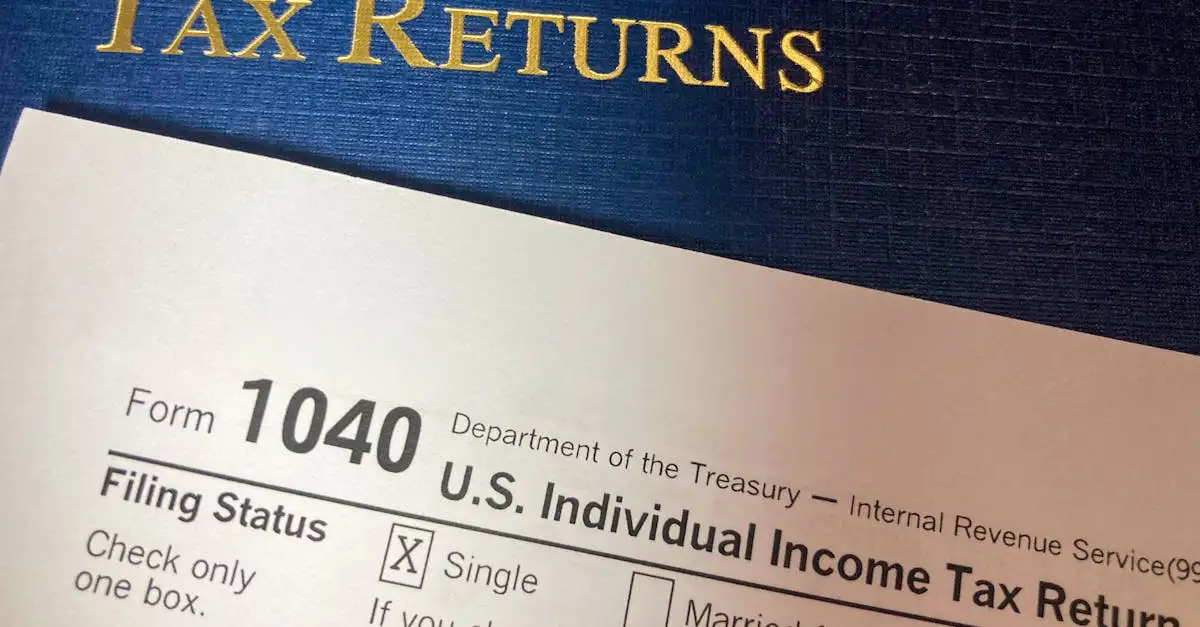
Thinking about that new car in your driveway, or perhaps the one you dream of owning? Buying a car often means taking out a loan. And with a loan comes interest. That interest charge can feel like a significant extra cost. You naturally start wondering: just how can you lower that financial burden? A common question springs to mind: can you write off interest on a car loan? Let's explore this together. Understanding your tax situation related to car loan interest is important for smart financial planning.
Understanding Car Loan Interest Deductions
The short answer often involves context. Tax deductions are rarely straightforward. They depend heavily on how you use your vehicle. For most everyday drivers, the answer is often disappointing. If your car is purely for personal use, you generally cannot deduct the interest you pay on your auto loan.
This is a crucial point. The Internal Revenue Service (IRS) sets clear rules about personal expenses. Interest paid on loans for personal assets, like your family car, usually does not qualify for a tax write-off. Think of it this way: the government doesn't typically subsidize the cost of your commute to a regular job or weekend errands.
When Does Car Loan Interest Become Deductible?
However, there are important exceptions where you absolutely look into writing off interest on a car loan. These exceptions involve using the vehicle for business purposes. The key word here is *business*. Your use must be legitimate, necessary, and directly related to earning income.
If you use your car to run a business, you gain opportunities to deduct expenses. This includes costs like gas, maintenance, insurance, and yes, sometimes the interest on the car loan itself. This area requires careful tracking of your mileage and expenses.
Business Use Scenarios for Auto Loan Interest
Let’s look closer at the scenarios where deducting car loan interest becomes a real possibility. These situations transform your car from a personal possession into a business tool.
VIDEO: New Car Loan Interest Tax Deduction EXPLAINED | One Big Beautiful Bill Unbiased Breakdown
Self-Employment and Business Ownership
If you are self-employed, this deduction often applies. Imagine you are a contractor, a traveling salesperson, or run a small delivery service. Your vehicle is essential to your work. When you use the car more than 50% for business, you become eligible to deduct a portion of your operating costs, including the car loan interest paid during the year.
To calculate this deduction, you must separate your business use from your personal use. If you drive 10,000 miles total in a year, and 7,000 of those miles are for work, you can claim 70% of your allowable expenses, including that interest payment.
Tax Methods and Interest Deductions
When claiming business use, you usually choose one of two main methods for deducting expenses:
- The Standard Mileage Rate: You track your business miles and multiply them by the set rate for the year. If you choose this method, you generally cannot deduct actual car expenses like interest or repairs separately. It simplifies record-keeping greatly.
- The Actual Expense Method: This method allows you to track and deduct the actual costs of owning and operating the vehicle. This is where deducting the prorated interest on your car loan comes into play. You track all costs—gas, insurance, depreciation, and loan interest—and deduct the business percentage.
If maximizing your write-offs is your goal, the Actual Expense Method is what you explore when trying to write off interest on a car loan.
Informative sources
Check out these interesting articles we’ve selected about Deduct Car Loan Interest: Tax Rules Explained.
- One, Big, Beautiful Bill Act: Tax deductions for working Americans ...
- Can You Deduct Car Loan Interest on 2025 Taxes? | TaxAct
Special Considerations for Employees
For those who work for an employer, the situation is much trickier, especially after recent tax law changes. Prior to certain reforms, unreimbursed employee business expenses were deductible. Now, for most employees, these itemized deductions are generally not available at the federal level.
If your employer requires you to use your own vehicle for work duties and does not reimburse you fairly, you might still have limited state-level options, but federal write-offs are rare for W-2 employees attempting to deduct car loan interest.
Navigating the Documentation Maze
Claiming any car-related business deduction, especially something specific like interest, demands meticulous record-keeping. The IRS expects proof if they audit your return. You must clearly demonstrate that the interest payment relates directly to income-producing activities.
What records do you need to keep to prove you can write off interest on a car loan?
- Loan Documentation: Keep your loan agreement showing the principal amount and the total interest paid annually. Your lender sends you this statement.
- Mileage Logs: This is perhaps the most critical piece of evidence. Maintain a detailed log showing the date, destination, purpose of the trip, and total miles driven for every business trip.
- Expense Summaries: Keep receipts for all other related car expenses if you use the Actual Expense Method.
Accuracy matters significantly here. Vague documentation leads to disallowed deductions. You must be able to prove the percentage of business use convincingly.
Leasing vs. Buying and Interest Write-Offs
Sometimes people confuse buying a car with leasing one for tax purposes. If you lease a vehicle for business use, you deduct the monthly lease payments, not interest specifically. The lease payment itself incorporates the cost of financing (similar to interest) and depreciation.
When you own the car and take out a loan, you separate the financing cost (the interest) from the asset's cost (the principal). This separation allows you to specifically track and deduct the interest portion under the Actual Expense Method if you qualify through business use.
Remember, whether you finance the purchase or lease, the primary hurdle remains proving substantial business use. If your car use is 90% personal, even under the most generous interpretation, deducting car loan interest is unlikely.
State Taxes and Further Opportunities
While federal tax laws set the broadest guidelines, you should always check your specific state tax regulations. Some states offer different rules or deductions for vehicle expenses, even for employees who cannot claim federal business expense deductions.
Exploring these state-specific possibilities might uncover avenues for reducing your overall tax liability. Don't assume the federal treatment is the final word for your state returns, especially concerning itemized deductions related to your transportation.
Frequently Asked Questions About Car Loan Interest Write-Offs
Is the entire car payment deductible if I use the car for business?
No. If you use the Actual Expense Method, you only deduct the portion of the *interest* payment that corresponds to your documented business use percentage, not the whole monthly payment.
If I only use my car for business occasionally, can I still write off the interest?
You must meet a "more than incidental" business use threshold. If your business use is minor or infrequent, you likely won't qualify for this specific interest deduction, or you may find the Standard Mileage Rate method more beneficial overall.
Do I need to itemize deductions to claim car loan interest?
Yes. Business expenses related to car operation, including prorated interest when using the Actual Expense Method, are generally claimed as business deductions on schedules associated with your business income (like Schedule C) or as itemized deductions if applicable under specific employment rules.
As you plan your car loan, you might be wondering about the tax implications; we address whether you can write off car loan interest in this related post.


