What are personal loan interest rates currently

Thinking about a personal loan right now? You likely have a few important questions swirling around. Chief among them is probably: What are personal loan interest rates currently? Understanding this number is crucial. It directly impacts how much your monthly payments look and the total cost of borrowing money.
Navigating the world of personal finance can feel a bit like trying to read a confusing map. But let's simplify this together. Your personal loan interest rate is essentially the price you pay for borrowing money. It is expressed as a percentage. Lenders use this percentage to calculate your repayment schedule.
Understanding What Drives Your Personal Loan Interest Rate
You might expect one single, fixed number for all personal loan interest rates. That is not how it works, unfortunately. Many moving parts influence the rate you ultimately qualify for. Think of it as a tailored quote, just for you, based on several key factors. For a detailed breakdown of how the market affects your borrowing cost, you can review the current personal loan interest rates.
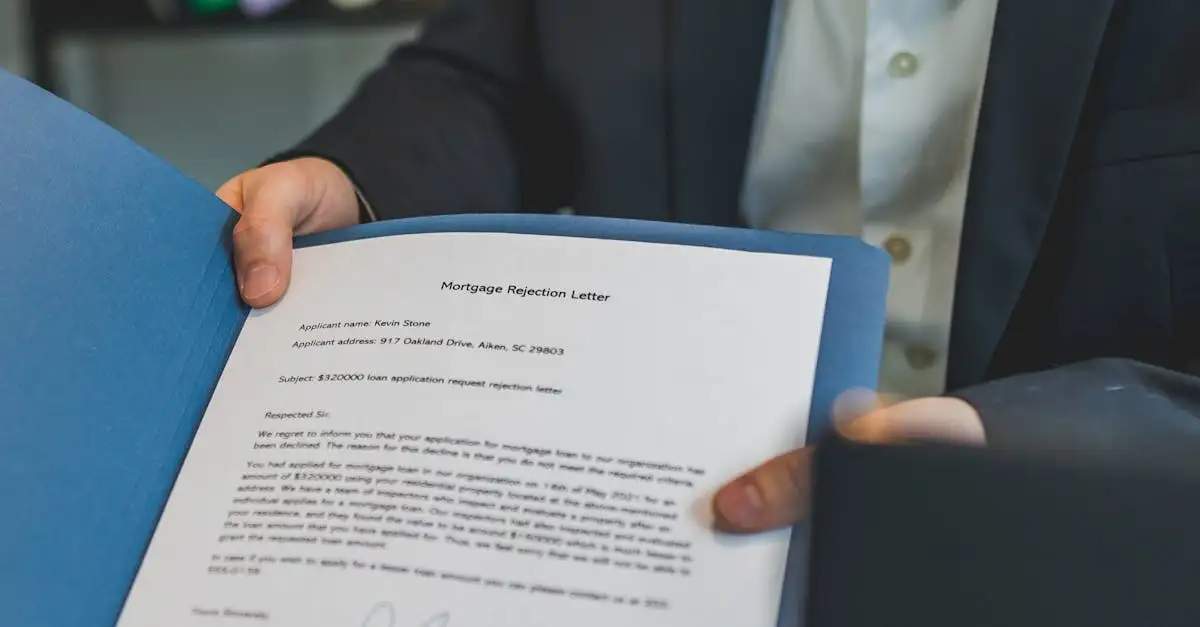 Your Credit Score: The Biggest Factor
Your credit score speaks volumes to potential lenders. It tells them about your history of managing debt. A strong credit score signals lower risk to the bank. When you present lower risk, lenders reward you with lower personal loan interest rates. Lenders often separate borrowers into tiers based on their scores.
- Excellent credit often secures the lowest advertised Annual Percentage Rates (APRs).
- Good credit gets competitive rates, perhaps slightly higher than the very best.
- Fair or poor credit history means you likely see higher interest rate offers.
If you want the best current personal loan interest rates, check your credit report first. Improving your score now saves you money later. Knowing what good personal loan rates look like is the first step.
Loan Term Length Matters Significantly
How long do you want to take to pay the money back? This is the loan term. Shorter loan terms usually mean lower overall interest paid. Why? Because the lender has your money for a shorter period. However, shorter terms lead to higher monthly payments.
Longer loan terms spread out the payments, making them feel easier month-to-month. But, you pay interest for more months. This increases the total cost of borrowing money. When researching current personal loan interest rates, always compare them alongside the loan term you select.
The Type of Personal Loan You Choose
Are you looking for a secured personal loan or an unsecured personal loan? Most personal loans are unsecured. This means you do not put up collateral, like your house or car. Because there is no asset for the lender to seize if you default, unsecured personal loans generally carry higher interest rates.
Secured loans use collateral, lowering the lender's risk. Therefore, average personal loan interest rates for secured loans are often lower than their unsecured counterparts. However, you assume the risk of losing your asset if payments stop.
Current Market Trends for Personal Loan Interest Rates
The interest rates you see today are not set in stone forever. They shift based on the broader economic climate. Central bank actions heavily influence these shifts. When central banks raise benchmark rates to control inflation, lending rates generally follow suit.
How Economic Factors Impact Your Rate
When the economy slows down, lenders might become more cautious. They may tighten lending standards or increase rates slightly to protect themselves. Conversely, in a robust economy, competition among lenders might push some rates down, especially for borrowers with excellent credit.
Are today’s personal loan interest rates higher or lower than last year? That depends entirely on the current monetary policy landscape. Lenders adjust their pricing constantly to reflect these external pressures. You need to look at rates specific to this moment in time.
What Are the General Ranges You See Now?
While I cannot give you a precise quote without knowing your personal details, I can give you a realistic picture of the current range of personal loan interest rates. These ranges shift frequently, so always treat them as indicators.
For borrowers with top-tier credit scores (think 760 and above), you might see introductory rates starting in the lower single digits, perhaps 6% to 10% APR. This represents the absolute best offers available in the market.
For the majority of borrowers, including those with good credit, the typical range often falls between 10% and 18% APR. This is where most competitive offers settle.
If your credit history presents challenges, or if you seek a very large loan amount, you might see rates exceeding 20% APR. It is vital to understand these higher rates mean the borrowing becomes much more expensive overall. Shopping around becomes extremely important here.
Tips for Securing Lower Personal Loan Interest Rates
You have the power to influence the rate you receive. Don't just accept the first offer that comes your way. Take steps to present yourself as the most attractive borrower possible.
Boost Your Credit Profile Before Applying
Take a few months to tidy up your credit profile. Pay down existing credit card balances. Making these small changes significantly lowers your reported debt-to-income ratio. This simple step often translates directly into a lower advertised rate when you formally apply for personal loans with competitive interest rates.
Compare Multiple Lenders Actively
Never take the first rate you see. Different financial institutions price risk differently. A bank might offer you 14%, while an online lender offers 11% for the exact same loan product. You need to gather several pre-approval offers.
When pre-qualifying (which usually involves a soft credit pull that does not hurt your score), you see personalized rate estimates. Compare these estimates carefully. Look for lenders offering transparent fee structures as well, since fees add to your total borrowing cost.
Consider Borrowing Less Money
It sounds counterintuitive, but borrowing only the exact amount you need, and no more, helps keep your borrowing costs down. A smaller loan amount equals less principal for the lender to worry about. This can sometimes help you negotiate a slightly better rate, or at least ensure you are not paying interest on money you don't actually use.
Always check the fine print. Look for prepayment penalties. If you plan to pay the loan off early, ensure the lender does not charge you extra for doing so. Knowing the full terms helps you understand the true cost beyond just the initial APR.
Frequently Asked Questions About Personal Loan Interest Rates
How is the interest rate on a personal loan calculated?
Lenders calculate your interest rate based on your creditworthiness, the loan term, and current market conditions. They use this percentage against your principal loan balance to determine your periodic interest charges.
Are personal loan interest rates fixed or variable?
Most personal loans feature fixed interest rates. This means your rate stays the same for the life of the loan, providing predictable monthly payments. Variable rates exist but are less common for standard personal loans.
Do all personal loan offers show the same APR?
No. The Annual Percentage Rate (APR) varies significantly between lenders and depends heavily on your individual financial profile. Always compare the APR, as it includes both the interest rate and certain fees.


