What’s a home loan
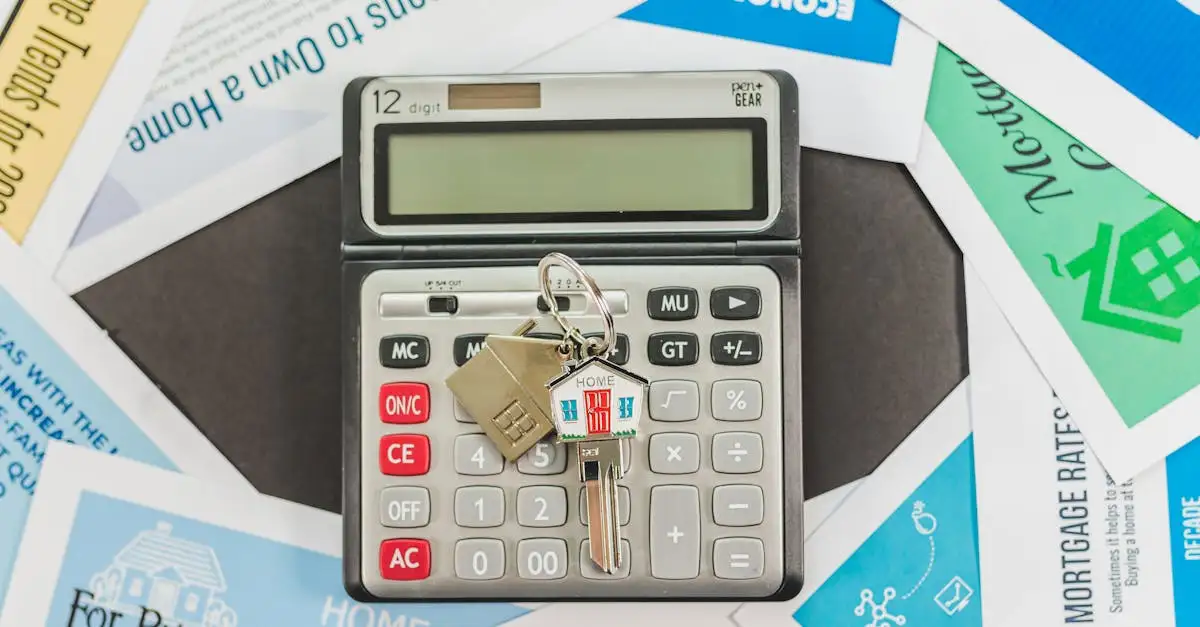
That dream of a place to call your own, a space filled with your memories and future plans—it often starts with a single, important step: understanding the home loan. It sounds complicated, perhaps a little scary, but it really boils down to a straightforward idea. You want a house now; the bank provides the money now. You promise to pay it back later, with a little extra cost for the service. That’s the heart of a home loan for first-time buyers.
What Exactly is a Home Loan?
Think of a home loan, also known in many circles as a mortgage, as a special type of long-term loan. When you decide to purchase a property, the price tag is usually substantial. Most people do not keep that much cash readily available. So, you approach a lender—a bank or a financial institution—to borrow the necessary funds.
The key difference between this loan and, say, a personal loan, is security. The property you buy acts as collateral. This means if you stop making your agreed-upon payments, the lender has the right to take possession of the house to recover their money. This arrangement reduces the risk for the lender, often resulting in better interest rates for you, the borrower, compared to unsecured financing options.
The Basics: Principal, Interest, and Term
Every mortgage agreement centers around three main components:
- The Principal: This is the actual amount of money you borrow to buy the house. If the house costs $200,000 and you put down $20,000, your principal loan amount is $180,000.
- The Interest Rate: This is the cost of borrowing the money. Lenders charge interest, expressed as a percentage. This percentage determines how much extra you pay back over time. Understanding fixed-rate versus adjustable-rate mortgages is crucial here.
- The Term: This is the length of time you have to repay the entire loan. Common terms are 15 years or 30 years. A shorter term means higher monthly payments but less total interest paid.
Your monthly payment, often called your P&I (Principal and Interest) payment, covers both chipping away at the principal debt and paying the interest charge for that month.
 Navigating the Different Types of Home Loans
Not every borrower fits the same mold. Lenders offer several different structures to match your financial situation and future plans. Choosing the right type of mortgage loan greatly impacts your monthly budget.
Fixed-Rate Mortgages: Stability You Can Count On
A fixed-rate mortgage is perhaps the simplest to understand. For the entire life of the loan—say, 30 years—your interest rate remains exactly the same. Your principal and interest payment stays constant. This predictability is fantastic if you value budgeting certainty. You always know what your housing payment will be, regardless of what happens in the wider economy. This certainty is often why many people opt for a 30-year fixed mortgage when purchasing their primary residence.
Adjustable-Rate Mortgages (ARMs): Flexibility and Risk
Adjustable-rate mortgages, or ARMs, start with a fixed interest rate for an introductory period, perhaps three, five, or seven years. After that initial period ends, the rate adjusts periodically based on prevailing market interest rates. If rates go down, your payment might decrease. If rates rise, your payment goes up. ARMs can offer lower initial payments, making them attractive if you plan to sell or refinance before the fixed period ends. However, you must understand the risks associated with ARM interest rate adjustments.
Government-Backed Loan Options
You might qualify for special programs designed to help specific groups enter the housing market. These loans are insured or guaranteed by government agencies, which allows lenders to offer more favorable terms, often requiring a smaller down payment.
- FHA Loans: Backed by the Federal Housing Administration, these loans are popular among first-time home buyers with lower down payments. They often have more flexible credit requirements.
- VA Loans: Available to eligible veterans, active-duty service members, and surviving spouses. These often require no down payment and do not typically include private mortgage insurance (PMI).
The Application Process: What You Need to Prepare
Getting pre-approved for a loan feels like the first real step toward homeownership. Lenders want to see a clear picture of your finances before they commit to lending you a large sum. Being prepared makes the entire home loan pre-approval process smoother.
Gathering your documents beforehand shows the lender you are organized and serious. They need to verify your income, assets, and debts. Expect to provide: your complete list of necessary documents.
* Proof of Income: Pay stubs covering the last couple of months, and W-2 forms or tax returns from the last two years. * Asset Documentation: Bank statements, investment account records, and proof of funds for the down payment and closing costs. * Credit History Review: Lenders pull your credit report to check your credit score and payment history. A solid credit score helps you secure better home loan interest rates. * Employment Verification: Details about where you work and how long you have been employed. Stability in employment is important to lenders assessing long-term mortgage qualification. Review our guide for first-time home buyers for more application specifics.Understanding Your Total Monthly Housing Expense
When calculating affordability, remember that your monthly mortgage payment is usually more than just the principal and interest. Lenders typically group these other costs into your PITI payment:
* Principal * Interest * Taxes (Property Taxes) * Insurance (Homeowner’s Insurance)Furthermore, if your down payment is less than 20% of the home’s purchase price, you will almost certainly pay Private Mortgage Insurance (PMI). This insurance protects the lender, not you, against default. Once your equity reaches 20%, you typically request the removal of PMI, lowering your monthly outlay.
Closing the Deal: From Application to Ownership
Once you find the right house and your loan application is conditionally approved, the lender moves into underwriting. This stage involves a deep dive into all your submitted paperwork and arranging for the property appraisal. The appraisal ensures the house is worth what you are paying for it; the bank will not lend you more than the property is valued at.
Finally, you reach the closing table. Here, you sign the final loan documents, transfer the down payment funds, and pay closing costs—fees associated with processing the loan, title searches, and other administrative tasks. Once all papers are signed, the funds are released to the seller, and you officially receive the keys. You are now a homeowner, thanks to your carefully navigated home loan financing.
*Frequently Asked Questions About Home Loans
What is PMI and when do I pay it?
PMI, or Private Mortgage Insurance, is an extra monthly fee you pay if your down payment is less than 20% of the purchase price. You stop paying it once your loan balance reaches 80% of the home's original value.
How much down payment do I really need?
While 20% is ideal to avoid PMI, many conventional loans allow for as little as 3% down. Government-backed loans like FHA or VA loans sometimes require even less, or nothing at all.
What is escrow in relation to a mortgage?
Escrow is an account held by your mortgage servicer. It collects extra money each month with your mortgage payment to cover future property tax bills and homeowner's insurance premiums. This keeps those large annual bills manageable.


