How can i get a government loan
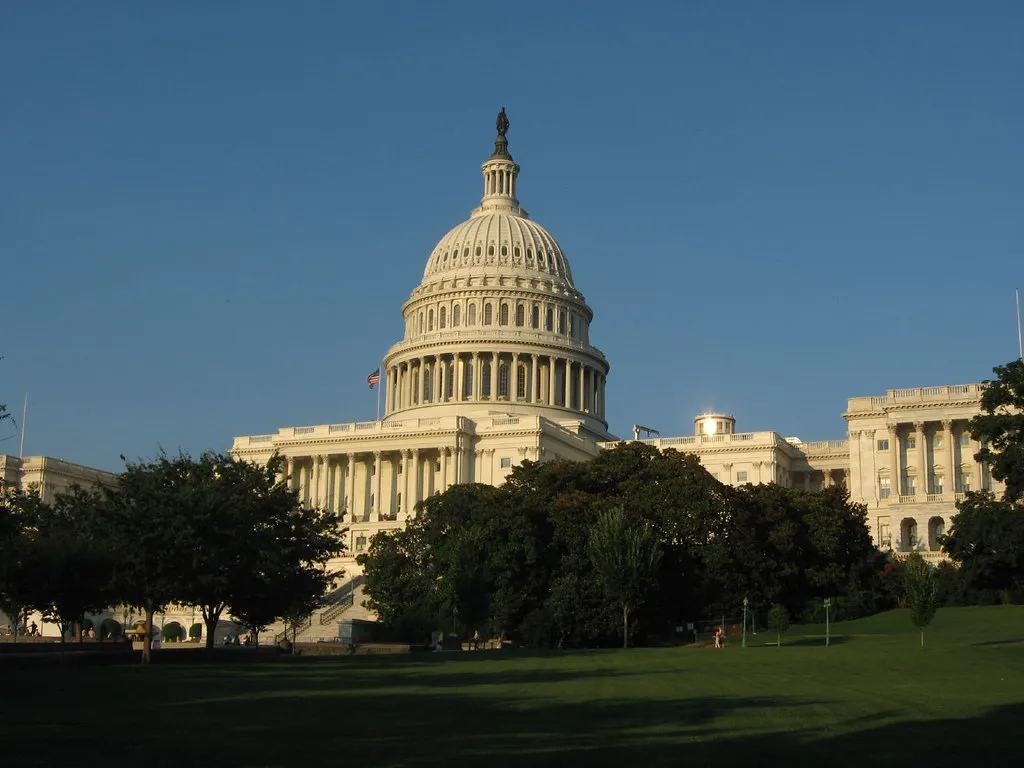
Navigating the world of financing can feel overwhelming. You have goals, projects, or maybe an unexpected need for funds. When your own resources feel stretched thin, looking toward government assistance often makes sense. Government loans offer support for many different purposes—from starting a small business to buying your first home or funding higher education. Understanding how you can get a government loan is the first vital step toward making those aspirations real.
These government-backed programs exist to help citizens achieve financial stability and growth. They often feature better terms than private loans, like lower interest rates or more flexible repayment plans. Your journey toward securing this funding begins with clarity. You need to know what you qualify for and exactly what steps you must take.
Identifying Your Need: What Type of Government Loan Fits You?
Governments offer various loan programs. You cannot apply for just any loan; you must target the one designed for your specific situation. Matching your need to the right program saves you time and effort. Think carefully about the purpose of the money you seek.
Small Business Funding Options
If you dream of opening a new venture or expanding your existing enterprise, government small business loans provide crucial seed money. These loans aim to stimulate the economy and support job creation. Finding the right path here involves understanding agency structures.
- SBA Loans: These loans, often backed by the Small Business Administration, are very popular. The SBA itself does not lend the money directly most times. Instead, it guarantees a portion of the loan given by a traditional bank or lender. This guarantee reduces risk for the bank, making them more willing to lend to you.
- Microloans: For very small businesses or those needing modest amounts of capital, microloan programs offer smaller financing packages. These often come with business support services attached.
- Specialty Loans: Look for programs focused on specific areas, like exporting, rural development, or specific industry support.
When researching how to apply for a government business loan, check the eligibility requirements first. Are you a new business? Do you meet size standards? These factors heavily influence your chances.
Homeownership Assistance Programs
The dream of owning your own home remains a powerful motivator for many people. Government programs aim to make homeownership accessible, especially for first-time buyers or those in rural areas. These loans often assist with down payments or offer lower credit score requirements.
- FHA Loans: These loans are insured by the Federal Housing Administration. They typically require a smaller down payment than conventional loans, helping you enter the housing market sooner.
- VA Loans: If you have served in the military, these loans offer incredible benefits, often requiring no down payment at all. Check your service history to see if you qualify for this fantastic benefit.
- USDA Loans: These focus on properties in designated rural areas. They can be an excellent option if you are looking outside major metropolitan centers.
Student Financial Aid and Educational Loans
Investing in your education opens many doors. Government student loans often provide better repayment flexibility than private alternatives. You must understand the difference between subsidized and unsubsidized loans.
- Subsidized Loans: The government pays the interest while you are in school at least half-time, during grace periods, and during deferment. This is usually the best type of federal student loan available.
- Unsubsidized Loans: Interest accrues while you are in school, but you do not have to pay it immediately. It capitalizes, meaning it gets added to your principal balance when repayment starts.
The process for these usually starts with completing the Free Application for Federal Student Aid (FAFSA). This application determines your eligibility for all federal aid programs.
Preparing Your Application: The Paperwork That Matters
You must treat your loan application seriously. Lenders, even government-backed ones, need proof that you can repay the debt. Organization is your best friend here. Gather all necessary documents before you start filling out forms.
Understanding Your Credit Profile
While government loans sometimes offer leniency compared to private loans, your credit history still matters greatly. You should check your credit reports well ahead of time. Look for errors you need to dispute. A higher credit score generally translates to better loan terms.
For business loans, lenders examine not only your personal credit but also your business credit history if applicable. They want to see reliability.
Developing a Solid Financial Plan
For any substantial loan, especially business or mortgage financing, you need a detailed plan. This shows the lender exactly how you intend to use the money and, crucially, how you plan to pay it back.
If seeking a business loan, your business plan must be robust. It needs realistic financial projections. You must clearly articulate your market, your management team, and your revenue strategy. This document speaks volumes about your preparedness.
For a mortgage, proof of income and savings for closing costs are non-negotiable. Show consistent employment history. Income stability proves repayment ability.
The Application Process: Where and How to Submit
Knowing the right place to submit your application is critical. You rarely apply directly to a government department for a standard loan.
Navigating Intermediaries for Business Loans
For programs like the SBA, you submit your formal loan request through a participating lender—a bank, credit union, or community development financial institution (CDFI). These intermediaries handle the bulk of the underwriting process. You work with the local institution, which then seeks the government guarantee.
Look for lenders who have experience with government-guaranteed loan programs. They understand the specific paperwork required.
Federal Student Aid Application Steps
The path for student aid is centralized. You complete the FAFSA online. Once processed, the information goes to the schools you listed. They then create an aid package for you, which includes grants, work-study, and the option to accept federal student loans.
Mortgage Application Logistics
When pursuing FHA, VA, or USDA loans, you apply through an approved mortgage lender or broker. These professionals specialize in government-insured mortgages. They guide you through property eligibility and specific documentation unique to that loan type.
Always read the fine print regarding fees and closing costs associated with any loan, government-backed or not. Transparency helps you manage your expectations about the total cost of borrowing.
Frequently Asked Questions About Government Loans
Are government loans only for people with bad credit?
No. While some programs offer programs with more lenient credit standards than conventional loans, many require good to excellent credit for the best interest rates and terms. Good credit helps your application significantly.
How long does the approval process for a government loan take?
Processing times vary widely. Student aid applications are relatively fast after FAFSA submission. Business loan approval often takes several weeks or months due to extensive underwriting and guarantee processing. Home loan approvals usually take 30 to 60 days from application to closing.
Do I have to be a citizen to get a government loan?
Eligibility for most federal assistance programs, including mortgages and student aid, requires you to be a U.S. citizen or a qualified non-citizen, such as a permanent resident. Specific requirements differ by program, so you must verify your status for the exact loan you pursue.


