How Land Loans Work: A Guide to Financing Your Purchase
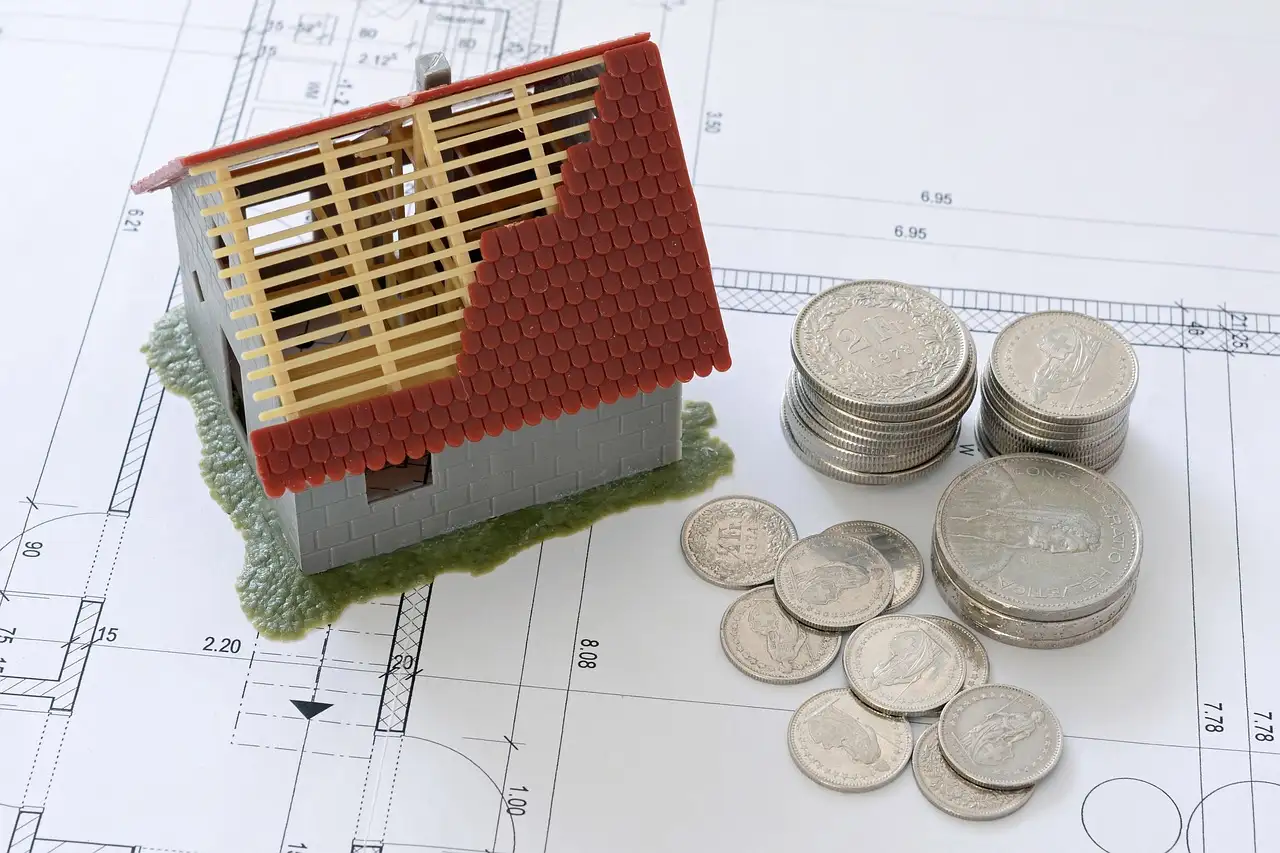
Thinking about buying that perfect piece of land? Perhaps it’s a dream of building your custom home, starting a small farm, or just securing an investment for the future. That piece of earth, untouched and full of potential, often requires a special kind of financing. You approach the bank, and the conversation turns to "land loans." What exactly are these? How do they differ from getting a regular mortgage for an existing house? Understanding the mechanics of securing financing for unimproved property is crucial for turning your vision into reality.
Understanding the Basics of Land Loans
A land loan, sometimes called vacant land financing or raw land financing, is simply a mortgage used to purchase property that does not currently have a structure on it. It feels different from a traditional home loan because the collateral—the land itself—presents a different level of risk to the lender. When you buy a finished house, the house offers immediate value and income potential (rent or immediate resale). Land, especially raw land, requires more upfront work from you, the borrower.
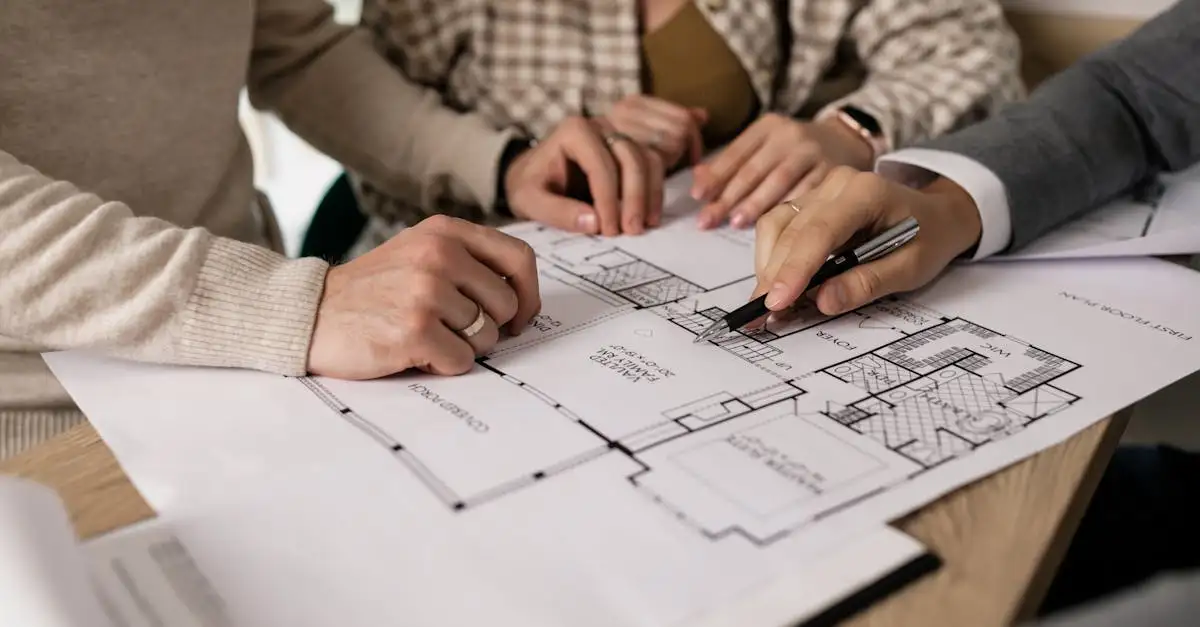 Why Land Loans Pose Different Risks for Lenders
Lenders look closely at security. A house is easy to value and offers a physical asset they can sell if you stop making payments. Land is less straightforward. Consider the location. Is it accessible? Does it have utilities nearby? These questions heavily influence the land’s true worth. Because of these unknowns, lenders often treat land loans much more cautiously than mortgages for move-in-ready homes.
This caution translates into specific lending requirements. You should expect higher down payments and shorter repayment terms when you pursue financing for raw, undeveloped property. This is a key aspect of how land loans work: you share more of the initial risk.
Types of Land You Might Finance
Not all land is the same, and lenders categorize land based on its readiness for development. Knowing which category your desired property falls into helps you understand the financing hurdles you face.
Acreage for Future Home Building (Residential Land)
If you plan to build your primary residence on the land soon, you are looking at residential land loans. Many traditional mortgage lenders offer these products, but they often require you to have a solid plan. They want to see proof that you intend to build relatively quickly. These loans often convert into a standard construction loan once building begins.
Investment or Recreational Land (Raw Land Loans)
This category covers land bought purely for speculation or enjoyment, like a remote hunting cabin site or a large plot you hope will increase in value. These are often considered riskier by lenders. You frequently deal with specialized lenders or private financing for these raw land loans because major banks prefer not to hold raw land as collateral long-term.
Agricultural Land Financing
Farms, ranches, and large tracts used for cultivation require agricultural loans. These often have specific government programs attached to them, offering potentially better rates if you meet strict farming criteria. Understanding the agricultural lending landscape is vital if farming forms your goal.
The Land Loan Application Process: What to Expect
Preparing for a land loan application requires more homework than applying for a standard mortgage. You need to anticipate the lender's concerns about the undeveloped nature of the property.
Higher Down Payment Requirements
This is perhaps the biggest difference. For a standard home mortgage, you might put down 3% to 20%. For unimproved land, expect the lender to ask for significantly more. Putting down 20% is common, but 30% or even 50% down payment for raw land isn't unusual. The lender wants to see substantial equity from you from day one.
Shorter Repayment Periods
Traditional mortgages run for 30 years, providing low monthly payments. Land loans often have shorter amortization schedules, perhaps 10 to 15 years. This means your monthly payment for the land loan will likely be higher relative to the loan amount, demanding stronger proof of your ability to comfortably afford those payments.
The Importance of Property Access and Utilities
Lenders investigate more than just the property deed. They need assurance the land is usable. You must address these key questions:
- Is there legal road access? You need deeded access, not just a neighbor’s permission to cross their field.
- Are utilities available? Water (well potential), sewer/septic feasibility, electricity, and gas access dramatically affect the land’s value and usability.
- Zoning and Covenants: What are the local rules governing what you can build, and when?
If the land lacks basic access or utilities, securing financing becomes much harder, often pushing you toward private lenders who charge higher interest rates.
Appraisal and Title Work
The appraisal process for land focuses heavily on comparable sales of similar vacant parcels nearby. If your land is unique or remote, a standard appraisal might be difficult, sometimes requiring specialized land appraisers. Clear title is non-negotiable; any existing liens or unrecorded easements complicate securing your land loan.
Navigating Interest Rates and Loan Terms
Interest rates on land loans often run slightly higher than rates for established homes. This reflects the increased perceived risk we discussed earlier.
Fixed vs. Adjustable Rates
Many lenders offer fixed rates for land loans, providing payment stability, which is helpful given the shorter repayment terms. Adjustable-rate mortgages (ARMs) exist, but they carry more uncertainty. When you are purchasing undeveloped property, certainty in your monthly obligations provides peace of mind.
The Conversion Option
If your intention is immediate construction, investigate loans that combine the land purchase and the subsequent building phase. These are often called "construction-to-permanent" loans. You finance the dirt now, and once you start building, the loan seamlessly converts into a standard 30-year mortgage, often at a better rate than a long-term raw land loan.
Who Lends Money for Land Purchases?
Finding the right institution matters significantly when seeking financing for vacant acreage.
Local Banks and Credit Unions
These institutions often know the local market best. They are more likely to understand the value of a specific local tract of land, especially if you already bank with them. If you have a strong, existing relationship, they might offer more favorable terms for your vacant land financing.
Specialized Mortgage Companies
Some mortgage brokers focus specifically on land acquisition loans. They shop your application to various investors who specialize in this niche. They might have programs that accept slightly lower down payments, but usually at a cost in interest rate.
Seller Financing
Sometimes, the owner of the land acts as the bank. This is seller financing. If the owner holds the deed and you make payments directly to them, you bypass many traditional lender hurdles. This works well if you have a smaller down payment, though the interest rate the seller charges might be higher than a bank’s rate. For veterans considering financing a construction project, it's worth exploring how to build your dream home with a VA loan.
For those looking to build a new home, understanding where to find VA construction loans is essential due to the limited number of lenders offering this specialized product.Frequently Asked Questions About Land Loans
Is a land loan interest rate always higher than a home mortgage rate?
Generally, yes. Lenders view undeveloped land as a higher-risk collateral, which usually results in a slightly elevated interest rate compared to mortgages on existing homes.
How long does it take to close on a land loan?
The process often takes longer than a standard mortgage, typically requiring four to eight weeks. This is due to the extra due diligence needed regarding zoning, access, and environmental checks on unimproved property.
Can I use an FHA or VA loan to buy land?
Standard FHA and VA loans are designed to finance the purchase of a primary residence. They do not typically cover vacant land unless the purchase is part of an approved construction loan package where building starts almost immediately.
What happens if I stop making payments on my land loan?
The lender will foreclose on the property, just like with a home mortgage. Since land has fewer liquid buyers, the process might be swift, and you risk losing your substantial down payment quickly.


