How to Get a Construction Loan with No Money Down
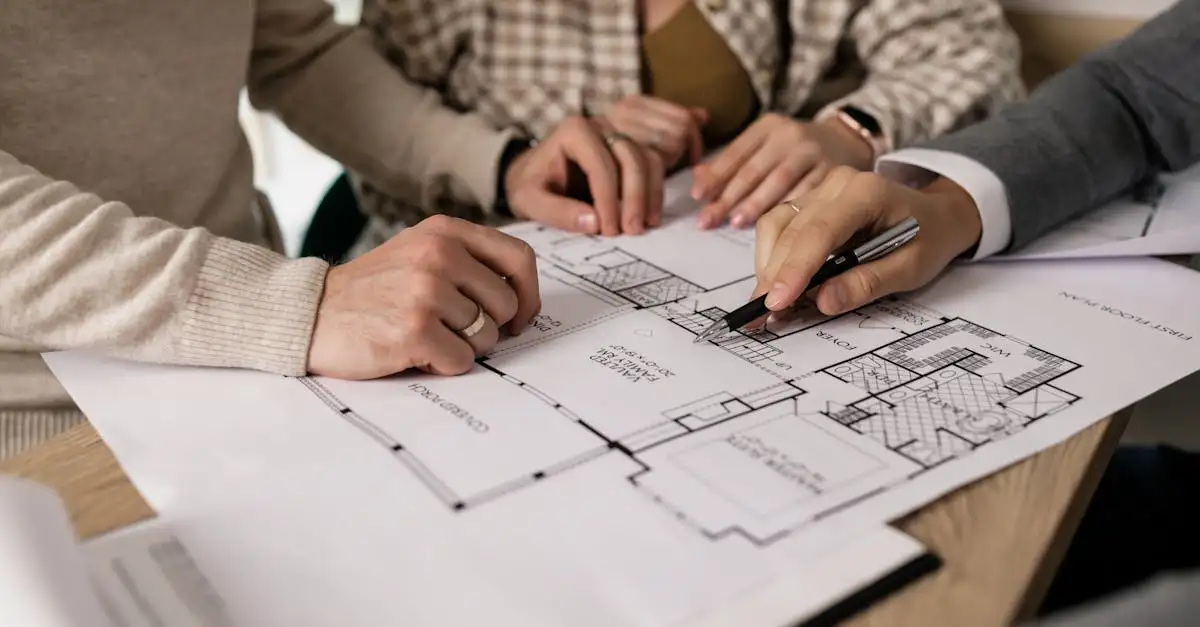
Building your dream project—that perfect custom home, the ambitious commercial development, or the multi-family investment—often feels distant when you look at the bank statement. The biggest hurdle many eager developers and builders face is securing the initial capital. You look at the requirement for a substantial down payment and think, "How do I get a construction loan with no money down?" It sounds like a myth, doesn't it? A financial unicorn. But I want to assure you, achieving this goal is possible. It takes smart planning, strategic positioning, and understanding where traditional lenders draw their lines and where creative financing steps in.
Navigating the Landscape of Zero-Down Construction Financing
When lenders assess a construction loan application, they see risk. Your equity—your cash contribution—is their safety net. When you aim for a true "no money down" scenario, you are essentially asking the lender to cover 100% of the project’s costs, including land acquisition and development. This is significantly harder than securing a standard mortgage, but it is not impossible, especially if you bring other forms of value to the table.
The reality is that most mainstream banks shy away from 100% financing for speculative building. They prefer you have "skin in the game." Therefore, your path to securing a zero-down construction loan involves looking beyond the typical big bank and exploring specialized lending avenues.
Understanding the Difference: Construction vs. Acquisition Loans
Before diving deep, clarify what you need financing for. Are you buying land *and* building, or do you already own the site free and clear? Securing a loan for land acquisition plus construction with zero cash out of pocket is the hardest scenario. If you already own the land, your equity is established, making the subsequent construction financing much more attainable.
- If you own the land free and clear, the lender sees that as your initial equity contribution.
- If you need to finance the land purchase as part of the loan, you need a lender specializing in 100% loan-to-cost (LTC) ratios.
 The Power of Experience and Presales
Lenders finance builders, not just projects. If you have a long, successful track record of completing projects on time and on budget, you significantly reduce the lender's perceived risk. Lenders see repeat performance as a form of collateral.
How do you prove this track record, even if you are new? Focus on the team around you. Bring experienced architects, reliable general contractors, and solid subcontractors into your pitch. Showcase thorough, professional blueprints and detailed budgets. You must present a bulletproof plan showing you know exactly how to execute the project.
Perhaps the most potent tool for achieving a zero-down construction loan is the presale contract. If you are building a spec home or a small commercial unit and have a qualified buyer already committed to purchasing the property upon completion, the lender has a guaranteed exit strategy. This de-risks the entire proposition. A buyer under contract means the final loan repayment is almost certain.
Creative Strategies for Covering the Down Payment Gap
If lenders are hesitant to offer 100% financing, you need to find ways to substitute your cash with other forms of capital or guaranteed value. This is where securing financing without personal cash investment becomes an exercise in financial engineering.
Leveraging Land Equity
If you already hold land, you need an appraisal that supports a high valuation. If the land is worth significantly more than what you initially paid for it (or what you owe on it), you might be able to secure a first or second mortgage against that equity. You use that cash-out equity to cover the typical 10% to 20% down payment required for the construction portion of the loan. This isn't technically "no money down," but it is "no *out-of-pocket* money down" if you can use existing, unrealized equity.
Partnering for Equity
This is a classic approach to accessing capital without using your own funds. Find a financial partner—perhaps a silent investor, a private equity group specializing in real estate, or even a wealthy friend or relative. You bring the expertise, the plan, and the sweat equity; they bring the required capital injection.
When structuring these partnerships, clarity is vital. You need a formal operating agreement that clearly defines roles, profit splits, and exit timelines. The partner essentially covers your down payment requirement in exchange for a percentage of the final profit. This partnership structure allows you to meet the lender’s equity requirements without depleting your personal savings.
Government-Backed and Specialized Programs
While traditional FHA or VA loans are generally for purchasing existing homes or refinancing, certain specialized governmental or quasi-governmental programs exist that support new construction, sometimes with very low borrower contributions. Explore local or state housing finance agencies. These entities often prioritize workforce housing or sustainable building projects and may have more flexible lending guidelines for experienced developers who fit their mission profile. Learn more about building your dream home with a VA loan to understand specific construction requirements and benefits.
Another avenue is exploring Community Development Financial Institutions (CDFIs). These organizations focus on lending in underserved markets. If your construction project benefits a local community—perhaps by revitalizing a blighted area or providing needed commercial space—a CDFI might view your project favorably, even with a lower cash requirement.
Seller Financing for Land Acquisition
If the land purchase is the sticking point, look for a seller who is motivated and willing to carry a note. Seller financing means the seller acts as the bank for the land portion. They agree to accept a small or zero down payment, allowing you to close on the land purchase without immediate cash. You then roll the entire land financing, plus the construction costs, into the primary construction loan you secure from an institutional lender.
This strategy works best when the seller is not in a hurry for the full cash proceeds or when the land has been on the market for a while. You must negotiate favorable terms, including a short timeframe before the construction lender takes over the full debt.
Preparing Your Application for Maximum Leverage
When you approach a lender requesting 100% financing—or any financing structure that minimizes your contribution—your application must be flawless. You must over-prepare to inspire confidence.
Develop an Ironclad Budget and Contingency Plan
Lenders hate surprises. Show them you have anticipated every potential cost overrun. Your budget needs to be line-item detailed. More importantly, demonstrate you have a robust contingency fund built into the loan proceeds. If you are asking the lender to cover 100% of the build cost, showing that 10% of that cost is set aside purely for unforeseen issues speaks volumes about your professionalism.
The Importance of the Takeout Strategy
Every construction loan is temporary financing. The lender needs to know exactly how you plan to repay the loan once construction finishes. This is your "takeout strategy."
- Sale: If you plan to sell, present your market analysis and evidence of buyer interest (the presale contracts mentioned earlier).
- Refinance: If you plan to hold the property as a rental, you need commitments from a long-term lender who agrees to refinance the construction debt into a permanent mortgage once the property is stabilized and leased.
A lender offering you a construction loan with no money down demands absolute certainty about the loan’s repayment. Prove you have secured that certainty.
Credit Score and Personal Financial Health
Even if the project is self-sustaining, lenders often require the principal borrower to meet certain personal financial thresholds. They look closely at your personal credit score. A strong score signals responsibility and reliability. While you seek to avoid putting *cash* down, you cannot avoid putting your reputation and credit history on the line. Ensure your personal finances are impeccable before you make the approach.
Frequently Asked Questions About Zero-Down Construction Loans
What is the maximum loan-to-cost (LTC) ratio I should expect?
For experienced builders on proven projects, lenders sometimes go up to 90% LTC. For true zero-down scenarios, you typically need significant non-cash equity, like strong presales or experienced partnerships, to push the LTC to 100%.
Does "no money down" mean no closing costs are required?
Rarely. While the lender might finance the hard construction costs, you often need funds available to cover loan origination fees, appraisal costs, title insurance, and various closing charges. These costs may sometimes be rolled into the loan, but having access to cash for these fees strengthens your position.
Is it easier to get a zero-down construction loan for residential or commercial projects? Generally, residential projects offer more zero-down options, specifically for veterans, who may qualify for VA construction loans.
It depends on the lender. Commercial lenders often look at the asset’s potential cash flow, making pre-leasing important. Residential construction often relies more heavily on the builder's past success and the certainty of a home sale.


