Home Loans with Poor Credit: A Complete Guide
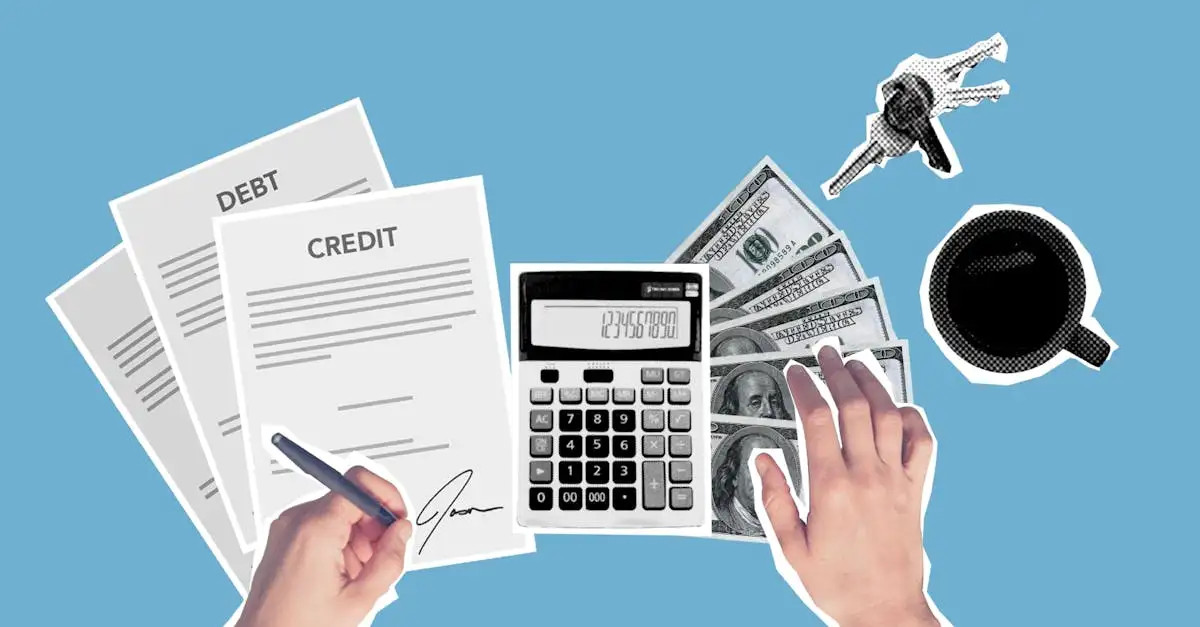
Thinking about buying a home feels exciting. You picture the space, the garden, maybe just finally having a place that is truly yours. Then comes the reality check: your credit history. If your credit score seems low, you might feel discouraged. You think, "How do I get a home loan with poor credit?" Know this: many people find themselves in a similar spot. Your past financial choices do not define your future homeownership. You hold the power to change this narrative. This journey takes patience and smart steps, but achieving your dream home remains very possible.
Understanding Your Credit Situation
Before you start looking at houses, you need to look closely at your credit report. This report tells lenders the story of your financial past. You need an honest assessment. A low credit score often comes from a few common areas. Recognizing these issues is the first step toward securing a mortgage.
What Affects Your Credit Score?
Lenders look at several factors when calculating your score. Knowing these helps you target areas for improvement when you seek mortgage approval with bad credit.
- Payment History: Late payments hurt your score significantly. Lenders worry about reliability.
- Credit Utilization: This means how much of your available credit you use. Keeping balances low shows responsibility.
- Length of Credit History: Older accounts with good management look better.
- Types of Credit: Lenders like seeing a mix of credit, like installment loans and revolving credit cards.
- New Credit: Too many recent credit applications signal potential risk.
Pull your credit reports from the three main bureaus. Review them carefully for errors. Mistakes happen, and fixing them immediately boosts your score. This free step is crucial for anyone aiming for favorable interest rates despite low credit.
 Strategies for Improving Your Credit Before Applying
You want the best terms possible. Even a few months of focused effort can make a big difference in your ability to qualify for a mortgage. Focus on actions that lenders value most.
VIDEO: (No BANKS) Buy a House with BAD CREDIT
Tackling Debt Head-On
High balances make lenders nervous. Your primary goal becomes reducing your outstanding debt, particularly on credit cards. This directly impacts your credit utilization ratio.
- Pay down balances aggressively. Aim to use less than 30% of your total available credit limit. Ideally, get this below 10%.
- Focus on the highest interest debts first. This saves you money faster.
- Avoid opening any new credit accounts. Stop applying for store cards or new loans right now. This shows stability to potential lenders evaluating your chances of getting a mortgage with a low score.
Ensuring Perfect Payment History
From this moment forward, every single bill needs payment on time. Set up automatic payments if you struggle with remembering due dates. Even one missed payment during the underwriting process risks derailing your home loan application process for borrowers with credit challenges.
Exploring Mortgage Options for Lower Scores
If your score is low now, conventional loans might be difficult to secure immediately. Fortunately, government-backed loans offer excellent alternatives designed specifically to help responsible buyers who need assistance securing a home loan with subprime credit. A good first step is to determine your approved home loan amount now to understand your purchasing power.
FHA Loans: A Great Starting Point
The Federal Housing Administration (FHA) insures these loans. This insurance lowers the risk for the lender, making them more willing to approve borrowers with lower credit scores. This is often the most accessible route for first-time buyers facing credit hurdles.
- FHA loans typically require a minimum credit score around 580 for the best down payment options (3.5%).
- If your score is lower, perhaps in the 500-579 range, you might still qualify, but expect to put down a larger deposit, usually 10%.
- Be prepared for Mortgage Insurance Premium (MIP) payments, both upfront and annually. This protects the lender, not you.
Deep-dive links
Here are some informative links specifically about Home Loans with Poor Credit: A Complete Guide.
VA Loans for Eligible Veterans
If you served in the military or are an eligible surviving spouse, the Department of Veterans Affairs (VA) loan program is incredible. These loans often have no minimum credit score requirement set by the VA itself. The individual lender sets its standard, but generally, requirements are much more flexible than for conventional mortgages. VA loans also typically require no down payment.
USDA Loans for Rural Development
The United States Department of Agriculture (USDA) offers loans for properties in designated rural and some suburban areas. These loans also promote homeownership without requiring a large down payment. While the VA and FHA focus on demographics or loan insurance, USDA focuses on location, making it a viable option for many.
Finding the Right Lender
Not all lenders treat borrowers with poor credit the same way. A big national bank might instantly reject your application, while a local credit union or a specialized mortgage broker understands nuance.
The Power of a Mortgage Broker
When you have credit blemishes, you need an advocate. A mortgage broker works for you, not for one specific bank. They shop your financial profile around to many different lenders who specialize in loans for buyers with imperfect credit history.
Brokers know which lenders are flexible on credit scores versus those who are strict on debt-to-income ratios. They guide you toward the best fit, saving you time and repeated credit inquiries.
Look for Non-QM Lenders
Sometimes, standard government-backed or conventional loans just do not fit. Non-Qualified Mortgage (Non-QM) lenders offer specialized products. These lenders look beyond the standard FICO score. They might focus more heavily on verifying steady income, analyzing cash reserves, or looking at your overall financial picture to determine your eligibility for non-conventional home financing.
Preparing Your Documentation for Underwriting
When you apply for a mortgage with lower credit, the lender scrutinizes every detail. You must present yourself as thoroughly prepared and financially organized. This proactive organization builds trust.
Documenting Income Stability
Lenders need proof your income is stable, especially if you are self-employed or have varying income sources. To qualify for a mortgage loan and determine your limit, lenders must first assess this stability. Gather:
- Two years of complete tax returns.
- W-2 forms from the last two years.
- Recent pay stubs (usually 30 days’ worth).
- Bank statements showing consistent deposit patterns.
Explaining Derogatory Credit Events
If your credit report shows bankruptcies, foreclosures, or collections, prepare a written letter of explanation (LOE). Be factual, brief, and take responsibility without making excuses. Detail the steps you took afterward to correct the situation. For example, if a medical emergency caused late payments, explain the situation briefly and show proof of subsequent on-time payments.
This letter is your chance to personalize your credit story for the underwriter reviewing your file for a mortgage when credit history shows past challenges.
Prequalification vs. Preapproval
Understand the difference between these two important early steps. Prequalification gives you a rough idea of what you might borrow. Preapproval is much stronger.
For securing a mortgage with a lower credit score, you must aim for a full preapproval. This involves the lender pulling your credit (which causes a small, temporary dip) and reviewing your documentation. A preapproval letter shows real estate agents and sellers that you are a serious buyer whose financing is likely to go through.
*Frequently Asked Questions about Poor Credit Home Loans
Q: How low can my credit score be and still get approved for a mortgage?
A: It depends heavily on the loan type. FHA loans often accept scores down to 580, sometimes lower with a larger down payment. Conventional loans usually require 620 or higher.
Q: How long do I have to wait after bankruptcy to buy a home?
A: For FHA loans, the waiting period is usually two years after the discharge date. Conventional loans often require a four-year wait, though some programs allow a shorter wait after extenuating circumstances.
Q: Will having a co-signer help me get a home loan with bad credit?
A: Yes, a co-signer with strong credit and income significantly improves your approval odds and may secure you a better interest rate.


