How to get rental property loan
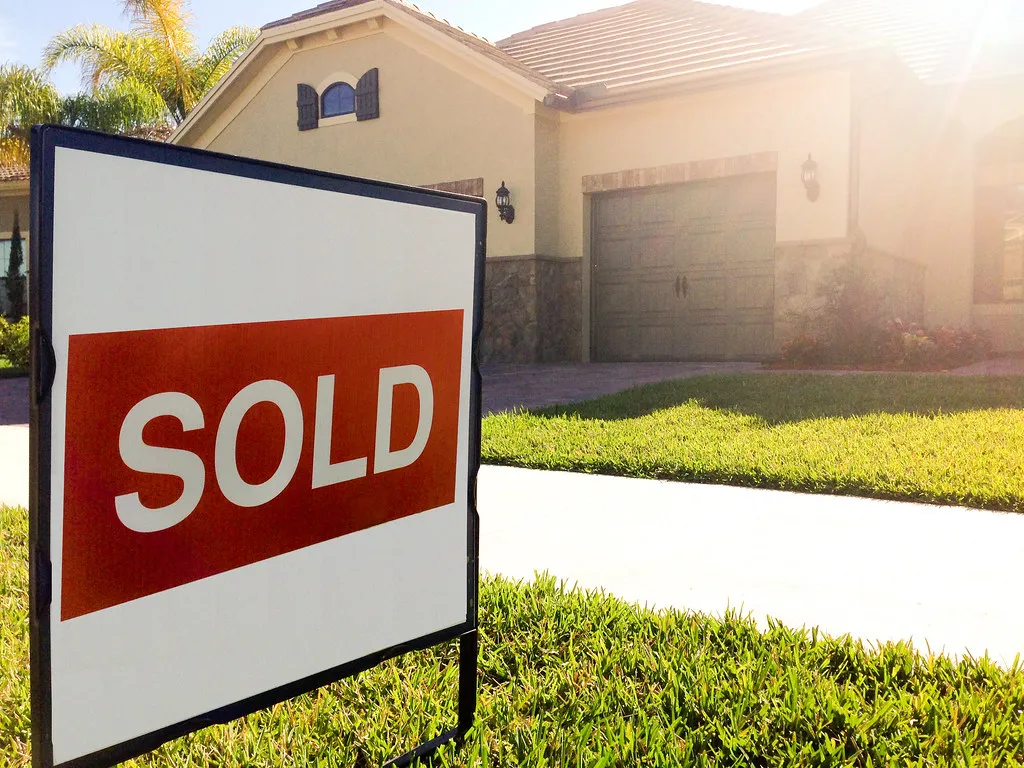
Thinking about buying rental property? That is a fantastic goal. Real estate investing offers a path to building lasting wealth. You envision steady income and property appreciation. But the first big hurdle often appears: securing the financing. Getting a loan for an investment property feels different from getting a mortgage for your primary home. You need a solid plan. This guide walks you through exactly how to secure that essential financing, step by step.
Understanding Rental Property Loans: What Sets Them Apart
Before you approach a lender, you must grasp the core difference. Lenders view investment properties differently than they view your main residence. They focus more on the property’s potential to generate income. They look closely at risk. You are not just borrowing money; you are proving the property supports the debt.
Primary Residence vs. Investment Property Financing
Your personal home loan relies heavily on your personal credit score and stable employment history. Lenders assume you prioritize paying that mortgage because you live there. For a rental property loan, the rules shift. Lenders analyze the property’s expected rental income. They want assurance the rent covers the payments, plus maintenance.
This means your down payment requirements are usually higher for investment loans. Expect lenders to ask for more cash upfront. This reduces their risk exposure significantly.
Phase One: Building Your Strong Financial Foundation
Lenders approve loans based on trust. You build that trust long before you sign any paperwork. Focus on strengthening your personal financial profile first. This makes your application much more appealing when you seek financing for real estate investment.
Checking and Improving Your Credit Score
Your credit score is a major factor in determining your interest rate. A higher score signals reliability. Review your credit report from all major bureaus. Dispute any errors you find immediately. Pay down revolving credit card balances. Lowering your overall debt utilization looks excellent to underwriters.
Calculating Your Debt-to-Income Ratio (DTI)
Lenders calculate your DTI to see how much of your monthly income goes toward debt payments. They prefer a low DTI. You calculate this by dividing your total monthly debt payments by your gross monthly income.
- Include existing mortgage payments, car loans, and minimum credit card payments.
- Lenders often prefer a DTI under 45% for investment property financing.
- If your DTI is high, focus on eliminating smaller debts before applying.
Saving for the Down Payment and Closing Costs
Securing a loan for rental property demands significant upfront cash. You typically need a larger down payment than for a primary residence. Standard conventional loans often require 20% to 25% down for a first investment property.
Remember closing costs too. These costs—fees, appraisals, title insurance—add another 2% to 5% of the loan amount. Budget for these expenses so you do not face surprises later in the rental property loan application process.
Phase Two: Choosing the Right Type of Investment Loan
Not all investment loans function the same way. The type of property and your experience level influence which loan product fits best for your long-term real estate investment strategy.
Conventional Mortgages for Investment Properties
If you have excellent credit and a solid down payment, a conventional loan is often the standard path. Banks and mortgage companies offer these. They usually require lower loan limits than portfolio loans but demand stricter borrower qualifications.
Portfolio Loans for Experienced Investors
Some lenders keep investment loans "in-house." These are portfolio loans. They offer more flexibility, especially if you plan to buy multiple properties. A portfolio lender understands experienced investors and their cash flow models better than national conventional lenders.
FHA and VA Loans (Limited Use)
Generally, Federal Housing Administration (FHA) and Veterans Affairs (VA) loans are for owner-occupied properties. However, you can use an FHA loan for a 2-to-4 unit property if you live in one unit for at least one year. This is a great strategy for your first steps into financing a multi-family investment property.
Hard Money and Private Lenders
For fix-and-flip projects or properties needing heavy rehabilitation, hard money loans exist. These are short-term, high-interest loans. They prioritize the property’s value over your personal income, but they are not suitable for long-term buy-and-hold financing.
Phase Three: Preparing Your Investment Property Documentation
Once your personal finances look sharp, you must prove the property makes financial sense. Lenders analyze the deal itself very carefully.
The Lease Agreement and Rent Projections
If the property is already rented, you provide current lease agreements. If it is vacant, the lender needs accurate rent comparable analysis (comps). They want to know the realistic market rent you expect to charge. This projected income often offsets some of your personal income requirements when calculating affordability.
The Appraisal and Property Inspection
The bank orders an appraisal. This confirms the property’s market value supports the loan amount you request. If the appraisal comes in low, you must bring extra cash to bridge the gap or negotiate the purchase price down. A thorough inspection also protects you, ensuring the property is safe and habitable for tenants.
Analyzing Cash Flow Statements
You need to present a clear picture of potential profitability. Lenders review your projected cash flow statement. This shows expected rents minus operating expenses (taxes, insurance, maintenance reserves, and the mortgage payment).
Lenders use a Debt Service Coverage Ratio (DSCR). They check if the net operating income covers the mortgage payment comfortably. A DSCR above 1.20 is generally favorable for securing the best investment property mortgage rates.
Phase Four: Shopping Lenders and Negotiating Terms
Do not accept the first offer you receive. Shopping around saves you thousands over the life of the loan. You need to compare different lenders for the best structure for your buying rental property with financing plan.
Comparing Loan Estimates
Once you apply, lenders provide a Loan Estimate. Compare these documents side-by-side. Focus on three key areas:
- The Annual Percentage Rate (APR), which reflects the true cost of borrowing.
- The interest rate itself.
- The origination fees and points charged by the lender.
Understanding Recourse vs. Non-Recourse Loans
Most conventional loans are recourse loans. This means if you default, the lender can pursue your other assets to cover the shortfall. For larger commercial loans, you might encounter non-recourse options, where the lender is limited to seizing the property itself. Understand the liability you assume with your chosen investment property financing option.
Securing the Best Interest Rate
A slightly lower interest rate translates into lower monthly payments and significant savings over 30 years. Ask about buying down the rate with points (prepaid interest). Also, inquire about locking your rate early, especially if closing takes time due to repairs or tenant turnover.
Frequently Asked Questions About Rental Property Loans
Q: How much down payment do I need for a second investment property?
A: Most lenders require 25% down payment for a second or subsequent investment property. Some specialized programs might accept slightly less, but 25% is standard.
Q: Do I need to have rental history on my credit report?
A: No, lenders do not check for rental payment history on your credit report for loan approval. They focus on your timely payments of secured debts like mortgages and installment loans.
Q: How long does the approval process take for an investment mortgage?
A: The process typically takes 30 to 45 days from the formal application until closing, provided all your required documents are submitted promptly.
Q: Can the expected rent cover the entire mortgage payment?
A: While lenders factor in rent to assess risk, most conventional lenders still require your personal income to cover the mortgage payment entirely, even with a healthy DSCR.


