Can you go to jail for not paying student loans
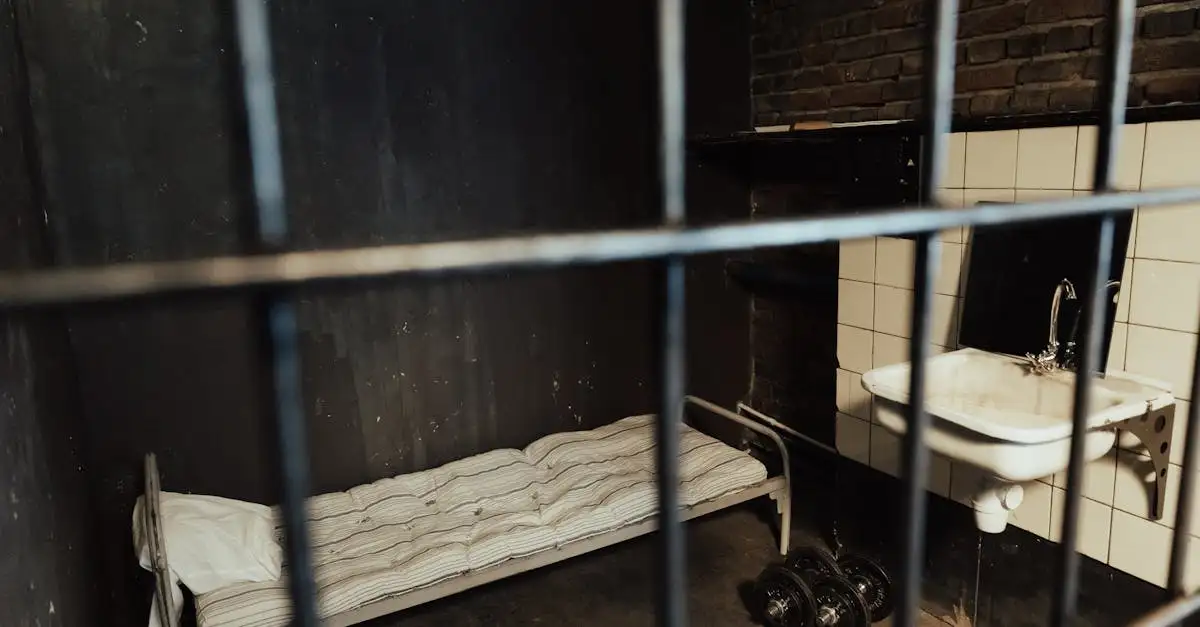
Facing student loan debt feels heavy. It weighs on your mind, doesn't it? You worry about making the next payment. You wonder about the long-term consequences of falling behind. A question often surfaces, one that brings real fear: Can you actually go to jail for not paying student loans?
This concern is valid. Student loan debt is a significant part of many people's financial lives. Understanding the rules surrounding federal and private student loans matters greatly for your peace of mind. Let’s explore this serious topic together, breaking down what happens when payments stop and what protections you actually have.
The Big Question: Jail Time for Student Loan Debt
Here is the straightforward answer you need right now: Generally, no. You do not go to jail simply because you fail to repay your student loans, whether they are federal or private. The US legal system treats student loan default differently than criminal offenses.
Student loan repayment is a *civil* matter, not a *criminal* one. Civil matters involve disputes between individuals or organizations, often about money or contracts. Criminal matters involve breaking laws designed to protect the public safety. Failing a contractual obligation, like repaying a loan, puts you in the civil court system, not the criminal one.
Why Jail Isn't the Penalty for Unpaid Loans
Think about it this way: Many people struggle financially. Economic hardship happens. Imprisoning people solely for being unable to pay their debts sounds harsh and generally goes against modern financial law. The government wants you to repay your student loans, but their tools focus on collecting the money, not punishing you with incarceration.
The legal system reserves jail time for actions like:
- Willful tax evasion (a criminal act).
- Contempt of court (disobeying a direct judge’s order).
- Fraudulent behavior related to obtaining the loan.
Simply missing payments, even for an extended time, does not fit into these criminal categories. You are facing financial consequences, not criminal prosecution for the debt itself.
What Happens When You Default on Federal Student Loans?
While jail is off the table, defaulting on federal student loans triggers serious administrative and legal actions. The government has strong tools to recover the money you borrowed. Understanding these collection methods is vital.
Defaulting on a federal student loan usually occurs after you miss nine consecutive monthly payments. Once you reach this point, the consequences start quickly:
 Wage Garnishment Without a Court Order
This is a major impact of federal default. The Department of Education can take action without getting a specific court order first. This process is called administrative wage garnishment. They contact your employer and require them to withhold a portion of your paycheck and send it directly to the loan holder.
Important details about wage garnishment:
- You receive notice before this happens.
- You have the right to request a hearing to challenge the garnishment.
- There are limits on how much money they can take from each paycheck.
Tax Refund Seizure (Treasury Offset Program)
The government intercepts your federal and sometimes state tax refunds. They use these funds to pay down your outstanding student loan balance. This offset program applies once your loan enters default status. It is a common and effective collection tool used by the government.
Social Security Offset
If you receive federal Social Security benefits, some of that income may be subject to offset to repay defaulted student loans. Again, this happens administratively, without a traditional lawsuit.
The Role of Lawsuits with Private Student Loans
Private student loans operate differently than federal loans. Private lenders—banks or financial institutions—do not have the same automatic collection powers as the federal government.
If you stop paying your private student loan, the lender usually takes a different path toward collection:
- They will try contacting you persistently.
- They might sell your debt to a collection agency.
- If collection efforts fail, the lender usually sues you in civil court.
If the private lender sues you and wins the case (because you cannot prove you do not owe the money), the court issues a judgment against you. This judgment allows the lender to pursue *court-ordered* collection actions, such as:
- Garnishing your wages (requiring a court order).
- Levying your bank accounts.
Even in this scenario, the judgment itself does not lead to jail time. You face losing assets or income to satisfy the debt judgment. You should always respond if a private lender sues you; ignoring the lawsuit guarantees they win by default.
Avoiding Default: Your Path to Financial Control
The threat of wage garnishment or lawsuits is real, but you have options long before you reach those serious stages. Taking proactive steps helps you maintain control over your situation and keeps you far away from any collections nightmare.
Communication is Key
If you foresee trouble making your next student loan payment, reach out immediately. Do not wait until you miss the payment.
For federal loans, explore these powerful repayment options:
- Income-Driven Repayment (IDR) Plans: These plans adjust your monthly payment based on your income and family size. Some plans might result in a payment as low as zero dollars per month if your income is low enough.
- Forbearance or Deferment: These options temporarily pause or reduce your payments. Interest may continue to accrue, so use these strategically.
For private loans, contact your lender or servicer. Ask about temporary hardship plans. While private lenders offer fewer standardized options than federal programs, they often negotiate payment reductions if you communicate your need proactively.
Preventing Fraud-Related Trouble
There is one very specific scenario related to student loans where jail time becomes a remote possibility: proven criminal fraud. This involves intentionally lying on your initial loan applications to secure funds you were not entitled to. For example, falsifying disability status or income information to secure federal aid.
This is about lying to commit theft or fraud, not about struggling with repayment afterward. If you borrowed the money honestly but now face hardship, this criminal angle does not apply to your current situation.
Seeking Relief and Reassurance
It is easy to feel trapped by student loan debt. Remember that the system is designed to collect repayment through financial means, not through imprisonment. Your focus should remain on finding a sustainable repayment strategy or exploring income-driven plans that fit your current budget.
If you feel overwhelmed by collection calls or unsure about your status, seek qualified, non-profit student loan counseling. They help you navigate the complex paperwork and identify the best path forward for your specific loan type.
*Frequently Asked Questions About Student Loan Non-Payment
Q: Can a debt collector threaten me with jail time for student loans?
A: Debt collectors cannot legally threaten you with jail time for typical student loan non-payment. If they do, report the collector to the Consumer Financial Protection Bureau (CFPB).
Q: Can a private student loan lender garnish my wages without a lawsuit?
A: No. Private lenders must obtain a court judgment against you first before they can legally garnish your wages through the court system.
Q: What is the first thing I should do if I miss a student loan payment?
A: Contact your loan servicer immediately. Discuss forbearance, deferment, or enrolling in an Income-Driven Repayment plan to prevent default, or explore your options for student loan discharge in bankruptcy.
Student loan default can have severe repercussions for your financial well-being. To understand the full scope of these issues, it's important to review the consequences of student loan default in detail. Ignoring these obligations can lead to wage garnishment and damage to your credit score.


