What does an underwriter do in mortgage loans
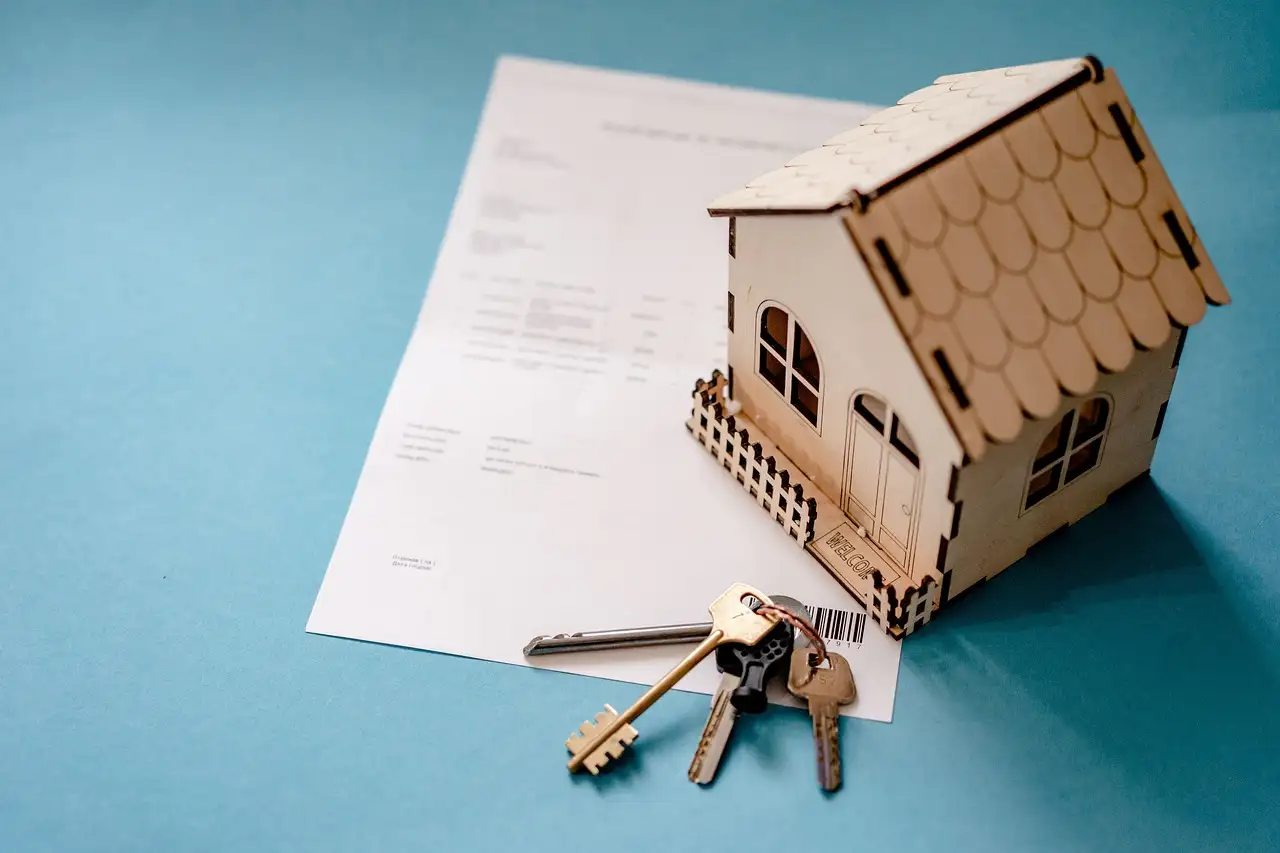
Buying a home is a huge step. It often involves a mortgage loan. You see the excitement of finding the perfect house. Then comes the paperwork. A key person in this process is the mortgage loan underwriter. You might wonder who this person is. What exactly do they do to turn your mortgage application into reality?
The Role of the Mortgage Loan Underwriter: Your Financial Gatekeeper
Think of the underwriter as the careful decision-maker. They assess the risk involved in lending you money. When you apply for a mortgage, you submit a lot of information about yourself and the property. The underwriter takes this detailed package. Their main job is to protect the lender. They make sure the lender lends money responsibly. This protection involves checking everything twice. Understanding the necessary qualification requirements is crucial before approaching this stage.
The entire mortgage approval process rests on their shoulders. They look at your financial story. They decide if you meet all the lender's requirements. It is not about being difficult. It is about following strict rules set by the industry and the lender. They ensure you take on a loan you comfortably manage for years to come. Understanding what an underwriter does helps you prepare better for your own mortgage journey.
Diving Deep into Mortgage Underwriting
Mortgage underwriting is a methodical review. It involves examining three core areas. These areas determine the overall safety of the loan. Underwriters focus on these key pillars:
- Your Creditworthiness: How reliably have you handled debt in the past?
- Your Income Stability: Do you have a steady way to repay the loan?
- The Property Value: Is the house worth the amount you wish to borrow?
The underwriter compares your application details against lending guidelines. These guidelines change frequently. They cover everything from down payment size to debt-to-income ratios. Your application moves through several stages. The underwriter performs the crucial analysis at the heart of these stages.
 Examining Your Financial Profile: Credit and Income Verification
When you apply, you give permission for the underwriter to check your history. This review is comprehensive. They look closely at your credit report. They want to see a history of timely payments. Late payments raise red flags for the underwriter. They assess your overall credit score. A higher score generally means lower risk for the lender.
Next, they scrutinize your income verification documents. This is vital for determining repayment ability. An underwriter reviews pay stubs, W-2 forms, and sometimes tax returns. If you are self-employed, they examine business financials closely. They need proof that your income is reliable and likely to continue. They calculate your debt-to-income (DTI) ratio. This ratio compares your total monthly debt payments to your gross monthly income. Lenders set specific limits on this DTI ratio. The underwriter ensures your figures fit within those acceptable limits.
What About Assets and Down Payments?
Your assets show your financial cushion. The underwriter checks bank statements and investment records. They confirm you have enough savings for the down payment and closing costs. They also verify you have reserves left over after closing. Lenders want assurance that a sudden expense does not immediately push you toward missing a mortgage payment. Seasoning requirements apply here too. This means funds used for the down payment must often be in your account for a certain period.
The Property Appraisal: Valuing Your Future Home
It is not just about you. The underwriter also focuses heavily on the collateral—the house itself. They rely on an independent property appraisal. This appraisal determines the fair market value of the home. The lender will not loan you more money than the home is worth. To learn more about how these loans work, check out our guide to understanding mortgage loans. This protects the lender if you default and they need to sell the property.
The underwriter reviews the appraisal report carefully. They look at comparable sales in the neighborhood. They check for any major issues noted by the appraiser. Sometimes, the underwriter requires specific repairs before they approve the loan. This ensures the collateral remains sound. They look at the title report too. This report ensures the property has a clear legal history. No one else can claim ownership unexpectedly.
Conditions and Clearing to Close
Once the underwriter reviews everything, they usually issue a conditional approval. This is very common. It means they approve the loan *if* you meet certain final conditions. These conditions are often small tasks you must complete quickly.
Typical underwriter conditions include:
- Providing a letter explaining a recent large deposit in your bank account.
- Securing the final homeowners insurance policy binder.
- Getting updated pay stubs that cover the most recent pay period.
- Resolving any minor discrepancies found in initial document review.
Once you satisfy every single one of these conditions, the underwriter issues the "clear to close." This is the magic phrase. It means all the underwriting requirements are met. The lender is ready to finalize the mortgage loan.
How Underwriters Impact Your Closing Timeline
The efficiency of the underwriting process directly affects when you get your keys. A complex financial situation takes more time. Multiple income sources or recent job changes require deeper scrutiny by the underwriter. Transparency helps speed things up significantly. Providing requested documentation promptly minimizes delays.
Remember, the underwriter follows objective guidelines. They do not make emotional decisions. Their job demands thoroughness. They balance the excitement of your home purchase with the financial security of the lending institution. They ensure the loan fits your budget long-term.
Frequently Asked Questions About Mortgage Underwriters
What is the difference between a loan processor and an underwriter?
A loan processor gathers and organizes all your initial paperwork. The underwriter analyzes that collected information to make the final risk decision.
Does an underwriter ever reject a loan outright?
Yes, if the application fails to meet critical lending standards or if serious unexplained financial risks appear, the underwriter denies the loan.
How long does the underwriting process usually take?
The actual underwriting review typically takes a few days to a couple of weeks, depending on the complexity of your loan file and how fast you provide requested documents.


