How much is the interest on a personal loan

Thinking about taking out a personal loan? It’s a big step. You might need to consolidate some debts, handle an unexpected expense, or finally fund that important home renovation project. Whatever your reason, one question sits right at the top of your mind: How much is the interest on a personal loan?
Understanding loan interest is key to smart borrowing. It is, quite simply, the cost of borrowing money. Lenders charge this fee, usually expressed as a percentage, to allow you to use their funds now and pay them back later. Grasping the factors that shape your interest rate helps you secure the most favorable terms possible for your financial future.
What Exactly Is a Personal Loan Interest Rate?
When you borrow money, the interest rate tells you how much extra you pay back on top of the original amount, known as the principal. If you borrow $10,000 at a 10% annual interest rate, you pay $1,000 in interest over the year, assuming you pay it off exactly as scheduled. This rate is fundamental to calculating your monthly payments.
You encounter two main types of interest structures when looking at personal loans. Most personal loans use a fixed interest rate. This means your rate stays the same for the entire loan term. This stability offers predictability in your monthly budget. Variable rates, while less common for personal loans, change based on a benchmark index. Understand your rate type; it impacts your long-term costs significantly when looking at average personal loan interest rates.
 APR vs. Interest Rate: Knowing the Difference
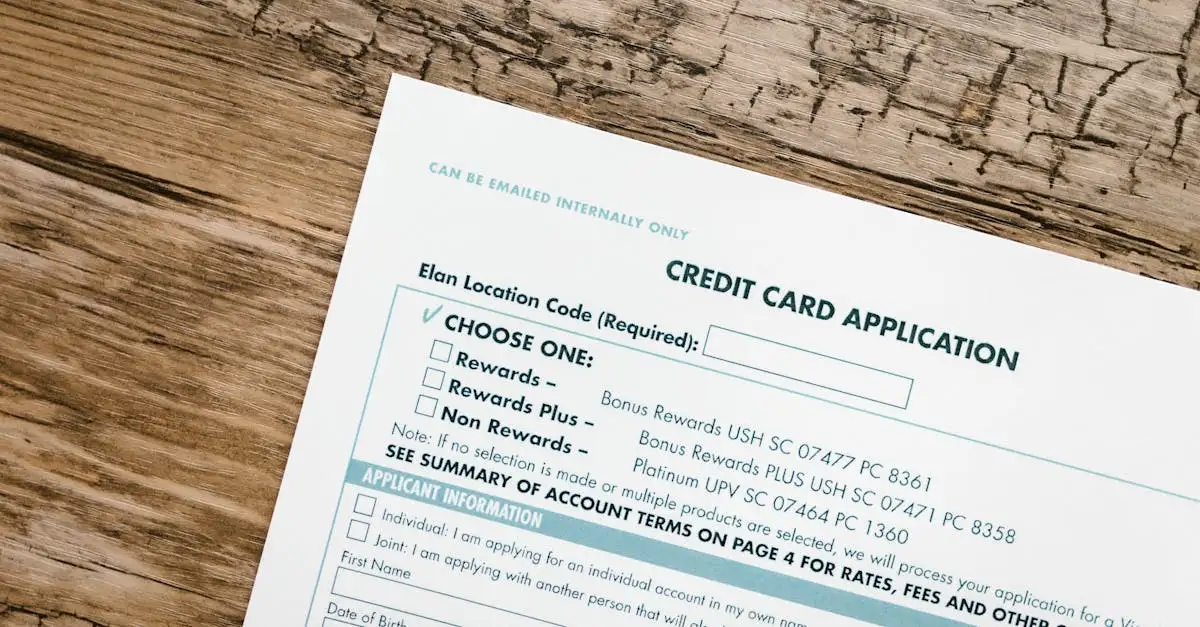
It’s easy to confuse the interest rate with the Annual Percentage Rate (APR). They are closely related but not identical. The stated interest rate is just the cost of the money itself. The APR, however, gives you a broader picture of the total borrowing cost. The APR includes the interest rate plus any other mandatory fees, such as origination fees. For comparing different loan offers, always use the APR. It shows you the true annual cost of borrowing money.
The Key Factors Determining Your Personal Loan Interest Rate
Lenders do not assign interest rates randomly. They assess risk. The higher the perceived risk that you might not repay the loan, the higher the interest rate they charge you. Several key components influence this risk assessment, directly affecting what interest rate you qualify for on a personal loan.
Your Credit Score: The Biggest Driver
Your credit score is arguably the most powerful factor. This three-digit number summarizes your history of managing debt. Lenders see a high score—generally above 740—as proof of responsible borrowing. Borrowers with excellent credit receive the lowest interest rates available. Conversely, if your score shows past delinquencies or high debt levels, lenders perceive more risk and assign a higher interest rate to compensate for that risk.
Loan Term Length Matters
How long you take to repay the loan influences the rate. Shorter loan terms, like two or three years, usually come with lower interest rates. This is because the lender gets their money back faster, reducing their exposure to risk over time. Longer terms, such as five or seven years, often carry slightly higher interest rates, even though your monthly payments are lower. You pay more overall interest across a longer repayment period.
Loan Amount and Lender Type
The amount you borrow also plays a role. Sometimes, borrowing a very large amount increases perceived risk. Furthermore, the type of lender matters. Banks, credit unions, and online lenders all have different overhead costs and lending philosophies. You might find better personal loan interest rates for debt consolidation from a local credit union compared to some online platforms.
Estimating Your Potential Monthly Payment and Total Cost
Understanding the interest rate lets you calculate your true financial commitment. Lenders use amortization schedules to figure out your fixed monthly payment. This calculation involves the principal, the interest rate, and the loan term.
Here are the components that create your repayment figure:
To better understand the costs involved, you should definitely check out this guide on current personal loan interest rates and what you need to know.
- Principal Repayment: The portion of your payment that reduces the actual amount you borrowed.
- Interest Charge: The cost of borrowing for that specific month.
When you make a payment early in the loan term, a larger chunk goes toward interest. As you pay down the principal, more of your payment starts covering the principal balance. This structure is why paying down debt quickly saves you significant money over the life of the loan, even if your initial fixed interest rate for a personal loan seems high.
Using Online Calculators Effectively
You do not need complex math to estimate costs. Utilize online personal loan calculators. Input the desired loan amount, the estimated interest rate you think you qualify for, and the term length. These tools instantly show you:
- Your estimated monthly payment amount.
- The total interest you pay over the life of the loan.
Run scenarios. See how dropping your term from five years to three years affects the total interest paid. This exercise provides powerful motivation to borrow less or pay faster.
Strategies to Secure a Lower Interest Rate
Taking proactive steps significantly impacts the interest rate a lender offers you. Focus on improving the areas lenders assess when you apply for a low-interest personal loan offer.
Boost Your Credit Profile Before Applying
Spend a few months improving your credit standing before submitting formal applications. Pay down existing credit card balances to lower your credit utilization ratio. Ensure all current payments are made on time. A small jump in your score can translate into hundreds, even thousands, of dollars saved in interest.
Choose the Right Loan Term
If your budget allows, opt for the shortest loan term you comfortably manage. Remember, shorter terms mean higher monthly payments but lower total interest paid. If you struggle with high payments, perhaps you need to borrow less money overall instead of extending the repayment period unnecessarily.
Consider Secured Loans (If Applicable)
While personal loans are usually unsecured (meaning no collateral is required), if you own an asset, like a vehicle or property, some lenders offer secured personal loans. Because the lender faces less risk with collateral, secured loans often feature substantially lower interest rates than unsecured personal loans. To see what rates are currently available, check out our guide on current personal loan interest rates explained. Only consider this if you are absolutely certain you can meet your repayment schedule.
Shop Around Intelligently
Do not accept the first offer you receive. Apply with three or four different lenders—a bank, a credit union, and one or two reputable online lenders. Many lenders perform a “soft pull” on your credit initially, which does not hurt your score. Once you have a few firm rate quotes, you possess negotiating power and a better understanding of the competitive personal loan interest rates available in the market.
Frequently Asked Questions About Personal Loan Interest
How is the interest rate calculated on a personal loan?
Lenders calculate interest based on your outstanding principal balance, applying the annual interest rate divided by 12 for monthly compounding.
Do I pay interest until the loan is paid off, or just on the remaining balance?
You pay interest only on the remaining outstanding principal balance each month. As you pay down the principal, the interest charged next month decreases.
Can my interest rate change after I sign the loan agreement?
If you secure a fixed-rate personal loan, the rate cannot change. If you have a variable rate loan, it can change based on the agreed-upon market index.


