How to get a bank loan for business
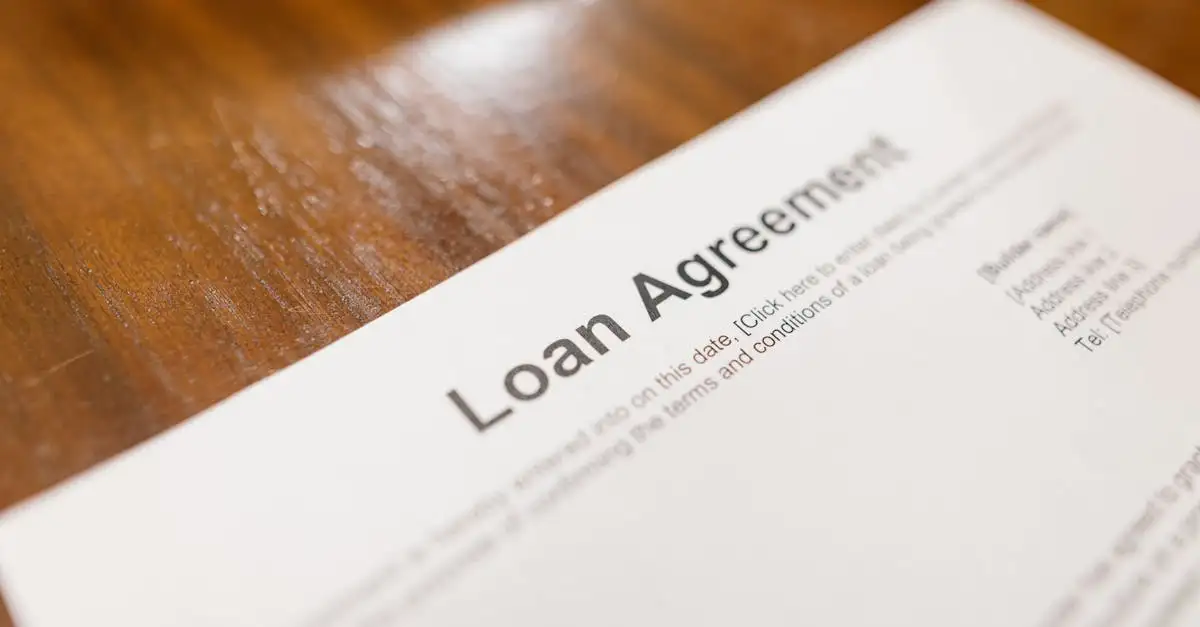
Starting a business is an exciting journey. You have a brilliant idea. You see a gap in the market. Now, you need fuel for that fire. Often, that fuel comes in the form of funding. Securing a bank loan for your business feels like a big step. It should. You are asking a financial institution to trust your vision.
Navigating the world of business financing requires preparation and clarity. This comprehensive guide walks you through exactly how to get a bank loan for your business venture. Forget feeling intimidated. Think of this as building a strong partnership with your future lender.
Preparing Your Groundwork: Before You Talk to a Bank
Banks lend money when they see a clear path to getting that money back, plus interest. Your job is to build that clear path now. Preparation distinguishes a serious applicant from someone just dreaming. A solid foundation makes your application much stronger when you seek essential small business financing options.
Develop a Robust Business Plan
Your business plan is your map. Lenders need to see where you are going and how you intend to get there. Do not just sketch this out on a napkin. A detailed plan shows you understand your market deeply.
- Executive Summary: A concise overview of your entire plan. Keep it short and powerful.
- Company Description: What problem do you solve? What is your unique selling proposition?
- Market Analysis: Who are your customers? Who are your competitors? Show thorough market research.
- Organization and Management: Who runs the show? Detail the experience of your key team members.
- Service or Product Line: Explain exactly what you offer and its lifecycle.
- Funding Request: Clearly state how much money you need and precisely what you will use it for—e.g., purchasing new equipment or expanding inventory. For a comprehensive guide on securing bank funding, see our bank business loan guide.
- Financial Projections: This is critical. Show realistic forecasts for the next three to five years.
 Know Your Numbers: Financial Health Check
Banks look closely at your current financial standing, especially if you already run an existing business. If you start a brand-new operation, they look intensely at your personal history.
Review your personal credit score. A strong personal credit history often makes the difference when applying for initial business loans. Pay down high-interest debt. Ensure all past financial obligations are settled. Lenders see this as proof of your fiscal responsibility. For a comprehensive overview, check out your guide to getting business loans.
For existing businesses, prepare up-to-date financial statements. These include profit and loss statements, balance sheets, and cash flow statements. Banks analyze these documents to assess your repayment capability.
Determine the Right Loan Type
Not all business loans are the same. Researching different types of lending products helps you target the most suitable one for your needs. This specificity impresses loan officers.
Are you looking to buy a major asset, like real estate or large machinery? A commercial mortgage or equipment loan might fit best. Do you need working capital to cover daily operational costs during a slow season? A business line of credit offers flexibility.
Understand the difference between secured and unsecured loans. Secured loans require collateral—an asset the bank can seize if you default. Unsecured loans rely only on your creditworthiness. Knowing this distinction impacts how you structure your application for achieving your desired small business loan approval.
Engaging with the Lender: The Application Process
Once your homework is complete, it is time to approach the bank. Treat this interaction professionally. You are presenting a business proposal, not just asking for a favor.
Shop Around for the Best Fit
Do not walk into the first bank you see. Different financial institutions have different risk appetites and different lending criteria for small business loans. Some focus on community lending; others specialize in tech startups.
Visit several banks or credit unions. Compare interest rates, repayment terms, and associated fees. Ask direct questions about their experience lending to businesses in your specific industry. Finding the right partner matters greatly for the long-term success of obtaining your necessary business funding.
Assemble Your Loan Package
When you apply for a bank loan, you need a complete package ready to go. Missing documents cause significant delays. Organize everything neatly.
Your required documentation typically includes:
- Completed loan application forms.
- Your comprehensive business plan.
- Personal and business tax returns (usually the last two or three years).
- Financial statements (as mentioned above).
- Legal documents, like business licenses or articles of incorporation.
- Details on any collateral you pledge.
Crafting Your Pitch: Meeting the Loan Officer
The meeting with the loan officer is your chance to bring your documents to life. They read the paperwork, but they connect with the person behind the plan.
Be confident and articulate. Explain your passion, but focus heavily on the numbers. If projections look aggressive, explain the conservative assumptions underpinning those high figures. Show you anticipate risks. How would you handle a sudden drop in sales? Preparedness reassures the lender.
You must clearly articulate the "use of proceeds." The bank needs to know every dollar requested has a specific, productive purpose within your operational strategy. Vague requests suggest a lack of focus.
Navigating Underwriting and Closing
After you submit your application, it enters the underwriting phase. This is where the bank thoroughly vets every piece of information you provided. This stage takes time. Be patient, but stay engaged.
Responding to Due Diligence
Underwriters ask detailed questions. They scrutinize your cash flow projections. They verify your collateral values. Respond promptly and accurately to every request for clarification or additional documentation. Speed and transparency here show professionalism.
Sometimes, the bank suggests changes. They might request a larger down payment or a shorter repayment term. View these requests not as rejections but as negotiations toward a mutually agreeable structure for accessing startup business capital.
Understanding the Terms of Approval
If your loan is approved, read the commitment letter carefully. This document outlines the final terms of your bank loan agreement. Do not sign anything until you fully grasp every clause.
Pay close attention to:
- The Annual Percentage Rate (APR) and how the interest is calculated.
- Repayment schedule (monthly, quarterly).
- Any covenants—conditions you must meet throughout the life of the loan (e.g., maintaining certain financial ratios).
- Prepayment penalties, if any.
If you are unsure about legal or financial jargon, hire an accountant or lawyer specializing in small business finance to review the commitment letter before you finalize getting your business financing approved. Protecting your interests ensures a healthy long-term relationship with your lender.
*Frequently Asked Questions About Business Loans
Q: How long does it typically take to get a decision on a business loan application?
A: The timeline varies greatly. Simple line-of-credit applications might take a few weeks. Complex, larger term loans often require four to eight weeks, depending on the bank’s internal processing speed.
Q: What collateral do I need for a small business loan?
A: It depends on the loan type. Secured loans need assets like real estate or inventory. For newer businesses, the bank often requires a personal guarantee, using your personal assets as secondary collateral.
Q: Is my personal credit score more important than my business history for a new venture?
A: Yes, for brand-new businesses seeking their first bank loan, your personal credit score and history are usually the most important factors lenders examine.


