What are 203k loans
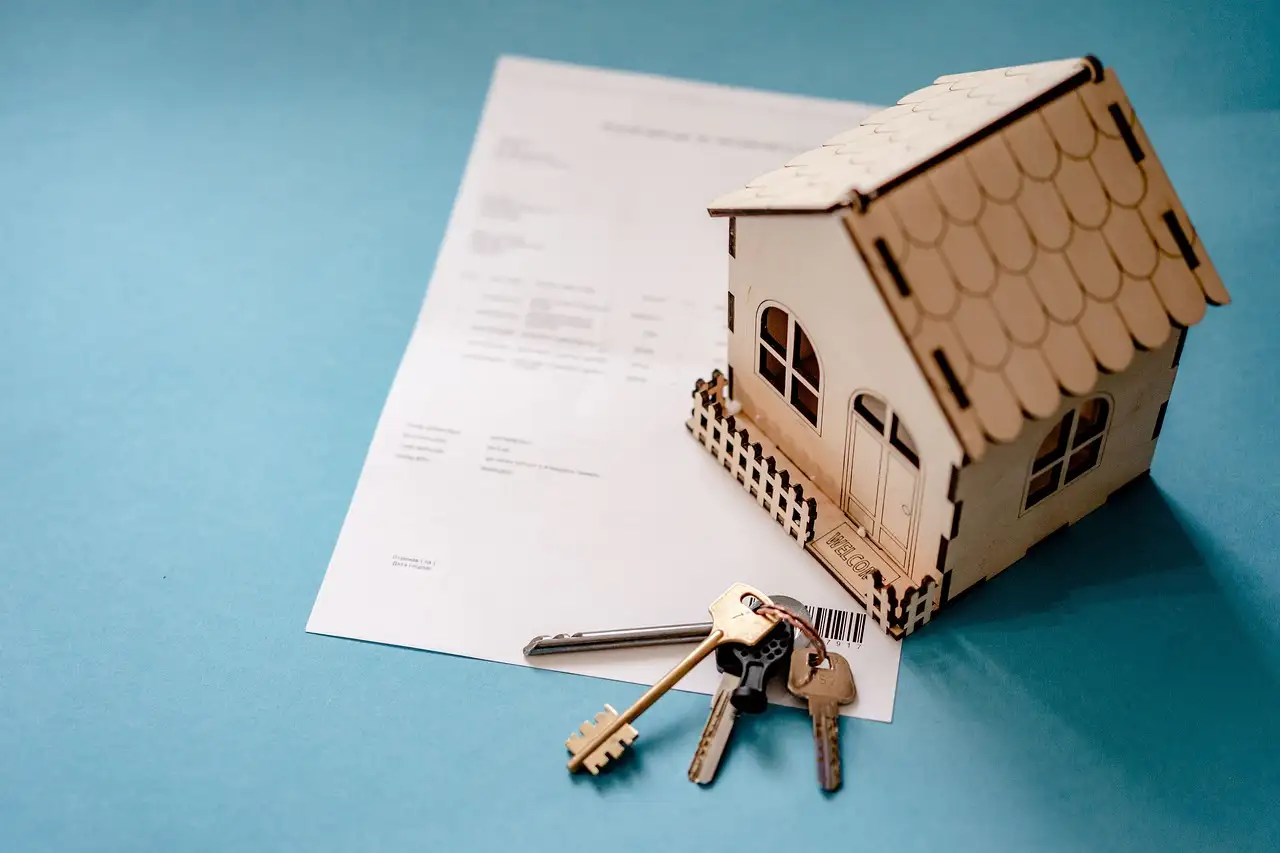
Imagine you find the perfect house. The location feels just right, the neighborhood smiles back at you, but the kitchen needs a complete overhaul. Perhaps the bathroom dates back to a different era, or maybe the foundation needs a little extra love. This dream home comes with a few needs. You might think this means delaying your purchase or settling for less. But what if you possessed a tool designed specifically for moments like these? Enter the FHA 203(k) loan—a powerful financial solution that blends purchase financing and renovation costs into one manageable package.
Understanding the Magic Behind 203k Loans
The FHA 203(k) loan stands as a versatile mortgage option insured by the Federal Housing Administration (FHA). Its core purpose? To help you buy a home that needs fixing up and finance those necessary repairs simultaneously. Instead of juggling a mortgage application and a separate home improvement loan, the 203(k) wraps everything into a single loan. This simplifies the entire process immensely, making that fixer-upper suddenly look much more appealing.
Many people hesitate when looking at older properties because of the perceived complexity of funding repairs. You worry about securing separate financing, managing multiple closing dates, and handling construction budgets on top of your mortgage payments. A 203(k) loan removes this stress. You secure one loan amount that covers both the purchase price of the home *and* the approved costs of the renovation work. This streamlined approach helps stabilize your monthly housing expense right from the start.
Who Benefits Most from an FHA 203(k) Loan?
This loan type shines brightest for first-time homebuyers. If you have limited cash reserves because your savings went toward a down payment, the 203(k) protects those funds. You avoid dipping deeply into emergency savings to pay contractors. Furthermore, anyone looking at properties that require structural repairs, system upgrades (like plumbing or electrical), or significant aesthetic updates finds this loan invaluable. It turns properties requiring substantial work into viable options.
Consider a property that passes basic inspection but desperately needs a new roof and updated HVAC systems. Paying for these major replacements upfront demands significant capital. With the 203(k) loan, you roll those essential costs directly into your mortgage principal. This allows you to move in, start making improvements immediately, and build equity faster through renovations.
Two Flavors of 203k Financing: Standard vs. Limited
The FHA offers two main variations of the 203(k) program. Understanding the difference ensures you choose the right tool for your specific repair needs. Choosing the correct renovation loan type is crucial for a smooth project execution.
 The Standard 203(k) Loan
Think of the Standard 203(k) as the heavy-duty option. You use this program when your planned repairs involve significant structural changes. If you plan to move load-bearing walls, completely reconfigure room layouts, or handle major environmental remediation (like extensive mold or foundation repair), the Standard 203(k) is what you need.
- It handles projects that require architect or engineer blueprints.
- The minimum repair cost usually starts at $5,000.
- It supports complex, multi-faceted home rehabilitation projects.
The Limited (or Streamline) 203(k) Loan
The Limited 203(k) is perfect for less invasive cosmetic improvements. This option simplifies the paperwork and inspection process considerably. If you only need new carpeting, fresh paint, updated fixtures, or minor non-structural repairs, the Streamline version works beautifully. It speeds up the renovation approval timeline significantly.
- It handles non-structural repairs only.
- There is typically no minimum repair amount, and a maximum limit applies.
- It avoids the stringent engineering reviews required by the Standard version.
How Does the 203k Process Work for You?
Taking on a renovation loan involves a few extra steps compared to a standard FHA purchase. Preparation is your best friend here. You must secure an FHA-approved lender who also has experience administering 203(k) loans, as not all lenders offer this specialty product.
Once approved for the loan amount, the crucial next phase begins: detailing the repairs. You provide the lender with repair estimates from licensed contractors. The FHA requires that all work must start shortly after closing—typically within 30 days—and must be completed within a set timeframe, usually six months. This keeps the project moving forward efficiently.
During closing, the loan funds are placed into an escrow account. The lender releases the money to your contractor in stages, called draws, only after the work passes specific inspections confirming completion of those stages. This mechanism protects you and the lender, ensuring the funds go directly toward improving the value of your new home.
The Role of the Inspector and Contractor
In a 203(k) transaction, you deal with two key outside professionals. First, the FHA inspector assesses the property’s condition and verifies that the requested repairs meet FHA standards. Second, your chosen contractor provides the bids. Remember, for the Standard 203(k), contractors must be vetted and approved by the lender to ensure they have the necessary experience for complex projects.
You play the role of the project manager, ensuring your vision aligns with the budget and the necessary steps laid out in the loan agreement. Because the money is tied directly to the rehabilitation, you focus solely on creating the home you envisioned, not scrambling for extra cash mid-project.
Building Equity While You Live There
One of the most compelling advantages of using an FHA 203(k) loan is its impact on your home equity. When you buy a fixer-upper with cash or a conventional loan, you often buy at a discount because of its condition. With the 203(k), you finance the *after-repair value* (ARV) of the home, not just the current discounted price.
By rolling necessary improvements into the mortgage, you force appreciation immediately. As soon as the renovation finishes, your home’s value reflects the cost of the upgrades you just financed. You effectively pay for the improvements through low-interest, long-term mortgage payments, rather than high-interest personal loans or credit card debt. This smart financial strategy helps secure your investment from day one, giving you a solid foundation in your improved property.
Frequently Asked Questions About 203k Loans
Q: What is the maximum loan amount allowed for an FHA 203(k) loan?
A: The maximum loan amount depends on the location of the property and the specific FHA guidelines in place at the time of application, generally adhering to county FHA loan limits plus repair costs.
Q: Can I use the 203(k) loan to pay off existing debt on the house?
A: Generally, the 203(k) loan pays for the purchase and the approved rehabilitation costs. It typically does not allow for cash-out refinancing or paying off unrelated personal debts.
Q: Do I need a large down payment for a 203(k) loan?
A: Since it is an FHA-backed loan, the minimum down payment requirement remains low, often just 3.5% of the total purchase price plus repairs.
Q: Who hires the contractor for the repairs?
A: You, the borrower, select the contractor, but for the Standard 203(k), the contractor must be approved by your FHA-approved lender before work begins.


