What does apr on a loan mean
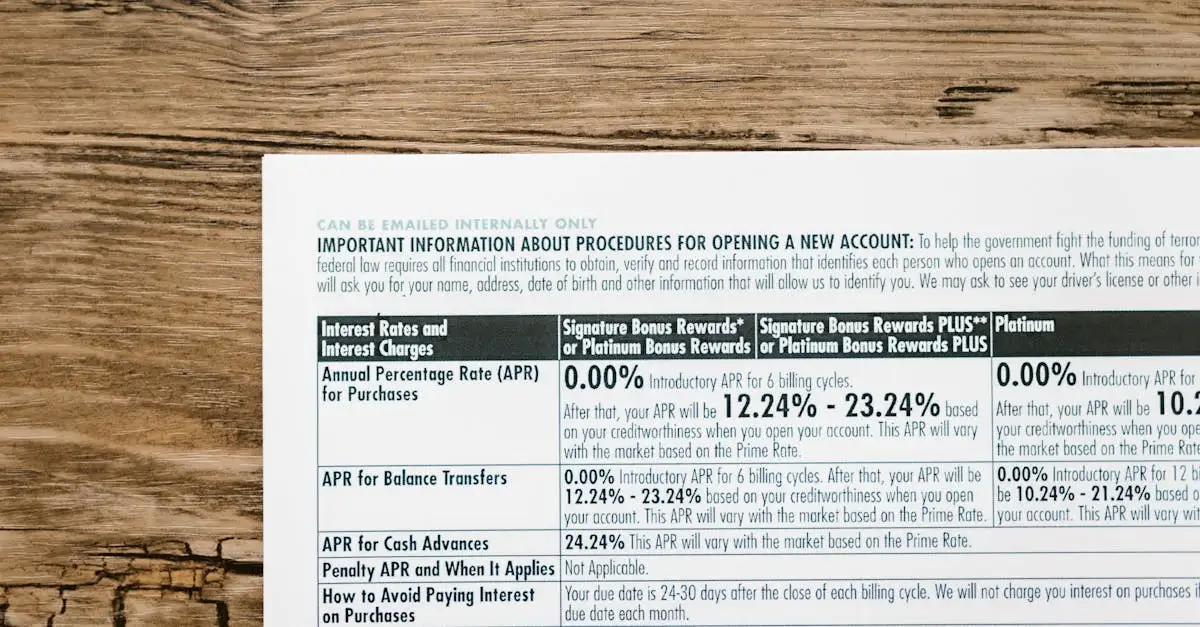
Thinking about taking out a loan? That’s a big step. You’re looking at numbers, amounts, and repayment schedules. Among all those figures, one term pops up repeatedly: APR. Understanding what APR on a loan means simplifies your financial journey immensely. It moves you from feeling confused to feeling in control of your borrowing decisions.
Decoding APR: Your Real Cost of Borrowing
You see the interest rate advertised. That seems straightforward, right? Not always. The Annual Percentage Rate, or APR, tells a much fuller story. Think of the interest rate as just one ingredient in a larger financial recipe. APR is the entire meal.
Essentially, the APR shows you the true annual cost of borrowing money. It is a standardized measure. This standardization is key because it lets you compare different loan offers side-by-side accurately. Without APR, lenders could advertise low interest rates while hiding significant fees elsewhere. APR brings transparency to the loan market.
 Interest Rate Versus APR: What's the Difference?
This distinction trips up many people. Your interest rate is simply the fee charged on the principal loan amount. It is a percentage. If you borrow money, the interest rate dictates how much extra you pay back purely based on the time elapsed.
APR, however, takes that interest rate and bundles in other mandatory charges associated with securing the loan. These extra costs are what transform a simple interest calculation into the comprehensive APR figure. Understanding the difference between the stated interest rate and the final APR for personal loans prepares you for accurate budgeting.
What Fees Does APR Include?
When you look for the best APR auto loan or mortgage, you need to know what components make up that percentage. Lenders add specific, unavoidable costs into the APR calculation. These usually include:
- The basic interest rate charged on your principal.
- Loan origination fees (a charge for processing your application).
- Mortgage broker fees, if applicable to your specific loan type.
- Certain required discount points or upfront costs.
Notice what is usually *not* included. APR typically excludes fees related to late payments, insufficient funds, or prepayment penalties. If you pay your loan late, you face extra charges, but those aren't baked into the initial APR quote. That’s why reading the fine print about potential late fees remains crucial, even when you have a low APR.
Why APR Matters for Comparing Loans
Imagine you are shopping for a new car. Lender A offers a 5% interest rate but charges a $500 origination fee. Lender B offers a 5.5% interest rate but charges no upfront fees. Which loan is cheaper?
Without APR, it's guesswork. APR standardizes this scenario. It calculates the $500 fee from Lender A and spreads it over the life of the loan, creating a single, comparable rate. This comparison tool is perhaps the most valuable aspect of the APR system. You can confidently identify the lowest APR credit card offers because the system forces transparency.
When you look at a loan disclosure, always focus intensely on that final APR figure. It represents your true annual borrowing expense. A lower APR means you pay less money overall for the privilege of using borrowed funds. You want that number to be as small as possible.
Secured vs. Unsecured Loans and APR
The type of loan you seek significantly influences the APR you receive. Lenders assess risk differently based on collateral. This risk assessment directly impacts your borrowing cost.
Understanding APR on Secured Loans
A secured loan requires collateral—something of value the lender can seize if you fail to repay. Think mortgages (your house) or auto loans (your car). Because the lender has security, their risk drops. Consequently, secured loans generally feature significantly lower APRs than unsecured options. You are offering reassurance that the lender gets their money back one way or another.
Navigating APR on Unsecured Loans
An unsecured loan involves no collateral. Personal loans and most credit cards fall into this category. Since the lender faces higher risk if you default, the corresponding APR is typically higher to compensate them for that extra uncertainty. If you are looking into personal loan APR rates, expect them to be notably higher than rates for a secured mortgage.
How Your Credit Profile Affects Your APR
Lenders do not assign APRs randomly. They use your financial history to gauge how likely you are to repay the debt reliably. Your credit profile acts as your financial reputation card. Understanding your APR basics is crucial for responsible borrowing.
- Excellent Credit: Individuals with high credit scores demonstrate a history of responsible borrowing and repayment. Lenders view you as low-risk, offering you the most favorable, lowest available APRs.
- Fair or Poor Credit: If your credit score shows past payment issues or high debt utilization, lenders see greater risk. To offset this, they assign higher APRs. This is how lenders protect themselves against potential losses.
This means that improving your credit score proactively is one of the best ways you lower the average APR for consumer loans you qualify for in the future. Every responsible action you take now helps reduce your future borrowing costs.
Variable APR vs. Fixed APR
When reviewing loan terms, you must determine if the APR can change over time. This introduces another layer of planning you need to manage.
Fixed APR: Predictable Payments
A fixed APR stays the same for the entire life of the loan, provided you meet all payment terms. This stability is fantastic for budgeting. You know exactly what percentage you pay annually, no matter what happens in the broader economy. For long-term loans like mortgages, a fixed APR provides immense peace of mind regarding your long-term loan APR calculation.
Variable APR: Rates That Fluctuate
A variable APR is tied to an underlying benchmark index, like the prime rate. If that benchmark rate goes up, your loan's APR goes up too, increasing your monthly payment. If the benchmark drops, your payment decreases. Variable rates offer potential savings if rates fall but introduce uncertainty if they rise. Be very cautious when taking on a variable APR for a significant financial commitment.
Frequently Asked Questions About Loan APR
Is APR the same as the interest rate?
No. The interest rate is just one part of the APR. APR includes the interest rate plus certain mandatory fees associated with setting up the loan.
Can I negotiate my APR?
Absolutely. Your APR is highly dependent on your creditworthiness. If you have a strong credit profile, you possess leverage to negotiate a better rate with lenders.
Does APR include insurance costs?
Generally, optional insurance costs, like credit insurance you choose to purchase, are not included in the standard APR calculation. However, required insurance, like hazard insurance for a mortgage, sometimes factors into the disclosure.
What is considered a "good" APR today?
"Good" depends heavily on your credit score and the loan type (secured vs. unsecured). Generally, the lower the APR, the better the deal for you.
Understanding the nuances of interest rates is key to making informed financial decisions, particularly when considering borrowing options. For a deeper dive into this subject, you can explore how loan interest rates are calculated.


