What is loan sharking
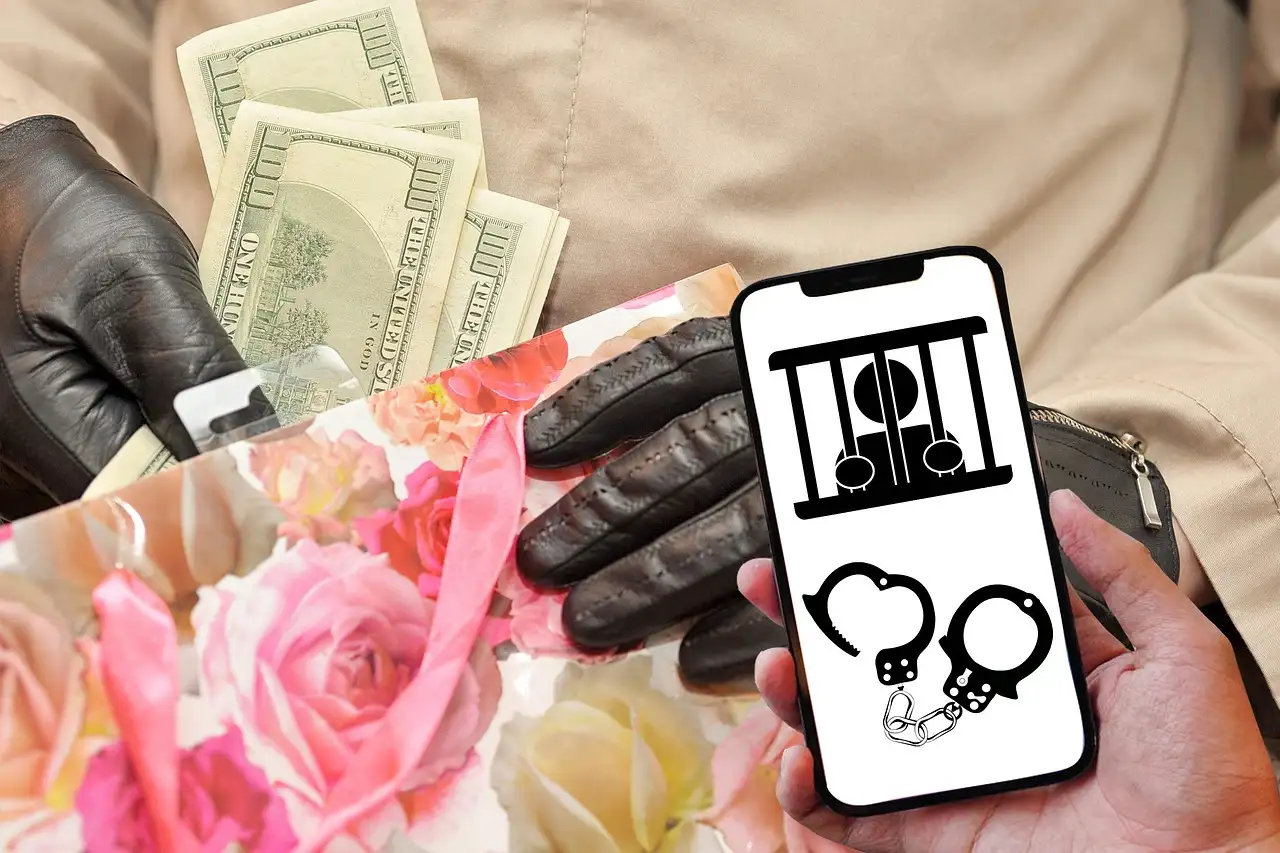
Life throws curveballs. Sometimes, you face a sudden need for money. Perhaps an unexpected medical bill arrives, or your car breaks down right when you need it most. When traditional banks say no, or when time simply runs out, the lure of quick cash becomes incredibly strong. This situation often leads people toward a practice that sounds like an easy fix but hides real danger: loan sharking.
Understanding the Shadow World of Loan Sharking
What exactly is loan sharking? Simply put, it is lending money at extremely high interest rates, often outside the bounds of the law. Think of it as borrowing from the shadows. Legitimate financial institutions follow rules. They have set limits on how much interest they charge. Loan sharks ignore these rules completely. They operate in a gray area, sometimes entirely outside the legal system.
When you look into securing a fast loan without a credit check, you might encounter these figures. They promise immediate relief. They often seem understanding at first. However, the true cost of that quick money involves much more than just the repayment amount. It involves your peace of mind, and sometimes, your safety.
The Core Difference: Legal Lending Versus Illegal Practices
You probably already know that banks and credit unions charge interest. This is standard practice. However, these legal lenders must adhere to usury laws. Usury laws exist to protect you. They set maximum interest rates allowed for loans. Loan sharks actively violate these laws. They set their own rates, which you might find shocking.
Consider the interest rates. A legal personal loan might have an annual percentage rate (APR) of, say, 15% or 20%. A loan sharking operation often charges weekly or even daily interest. If you calculate that back to an annual rate, the numbers become astronomical. This rapid increase in debt is what traps borrowers in a cycle of continuous repayment.
The Trap: How High Interest Rates Fuel Debt Cycles
The main danger in dealing with an illegal lender centers on the repayment structure. When you borrow a small amount, the interest quickly balloons. Suddenly, the amount you owe seems much larger than what you initially received. You pay and pay, yet the principal amount—the original money you borrowed—barely shrinks.
This situation creates a predatory lending scenario. The loan shark profits not just from the initial high rate but from your inability to ever fully repay the loan. You become a long-term source of income for them. If you miss a payment, the consequences escalate fast. This is where the "shark" moniker truly comes into play.
Tactics of Coercion and Intimidation
Since loan sharks operate illegally, they cannot use the court system to collect debts. They do not file lawsuits. Instead, they rely on methods far more frightening. If you seek information on avoiding unauthorized lending practices, you learn that intimidation is their primary tool.
What happens when you cannot pay back a loan shark? You must understand the risks involved in these unregulated transactions:
- Threats of physical harm to you or your family.
- Intense, relentless harassment at your home or workplace.
- Damage to your property or possessions.
- In extreme cases, illegal detention or violence.
These aggressive collection methods create immense stress. They make simply trying to live your daily life feel impossible. You borrowed money to solve a problem, but now you have a much larger, more terrifying problem.
Why People Turn to Loan Sharks
Understanding why someone seeks out illegal financing requires empathy. It is rarely a first choice. Often, people turn to loan sharks because they feel they have exhausted every other option for accessing necessary funds. They face a financial emergency where time is critical.
Barriers to Traditional Credit
Imagine your credit history is damaged. Perhaps past financial difficulties mean banks automatically deny your applications. Or perhaps you need cash today, and the loan application process at a credit union takes several days. Loan sharks offer immediacy.
When you explore quick cash loan options without background checks, loan sharking appears as a surprisingly accessible route. They ask few questions. They do not scrutinize your income or credit score. This accessibility is their greatest appeal and their most dangerous feature.
The Illusion of Privacy
Some individuals seek quick, informal loans because they want to keep their financial troubles private. They do not want family or employers knowing about their struggles. A loan shark promises discretion. However, this privacy is an illusion. Once the debt collection tactics begin, your private troubles become very public and very dangerous very quickly.
Protecting Yourself from Predatory Lending
Your financial well-being matters. Recognizing the warning signs helps you steer clear of these hazardous arrangements. If an offer sounds too good, or too easy, it usually is. Be aware of the red flags associated with unlicensed money lending.
Identifying a Loan Shark’s Offer
How do you spot these illegal operators before you commit?
- They insist on cash transactions only.
- They provide no formal paperwork or loan agreement.
- They pressure you to borrow more than you need or can afford.
- They refuse to disclose the full interest rate or repayment schedule upfront.
- They require collateral you cannot afford to lose, like your house deeds or car title.
If any of these points sound familiar in a lending scenario, you should walk away immediately. Protect your assets and your safety.
Exploring Safe Alternatives
If you need emergency funds, focus your energy on legitimate avenues. Explore credit unions, which often serve specific communities and might offer more flexible terms than large commercial banks. Look into local non-profit credit counseling services. They help you budget and sometimes connect you with emergency hardship funds.
Even small loans from reputable online lenders that adhere to state lending laws offer far greater security than dealing with underground operations. Remember, a slightly slower, legal process protects you; an illegal, fast process often destroys you. If you are interested in immediate options, you can check out details on no-credit-check loans.
*Frequently Asked Questions About Loan Sharking
Is loan sharking always illegal?
Yes. Loan sharking involves charging interest rates that exceed the maximum legal limits set by the state or region, which constitutes usury. It also involves illegal collection practices.
What should I do if I already owe money to a loan shark?
Your safety is the priority. Do not make any further payments if you feel threatened. Contact your local law enforcement agency immediately to report any threats or intimidation. Seek advice from a qualified consumer protection attorney.
Can a loan shark legally take my property?
No. Because their loans are illegal, any agreements made are often void under the law. They have no legal standing to seize property through official channels. However, they may use threats to try and force you to hand over items.
When faced with unexpected financial needs, many individuals seek quick solutions, sometimes exploring options like no credit check loans. Understanding all available avenues is crucial for making informed borrowing decisions.


