Understanding Revolving Loans: Definition, Features, and
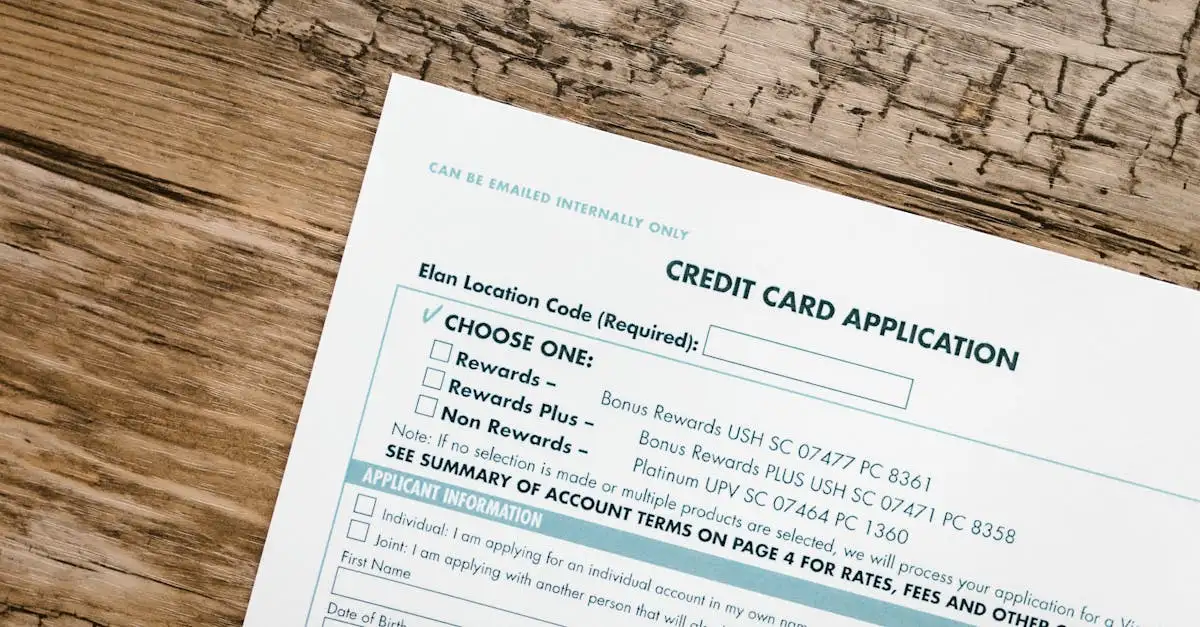
Imagine a financial tool that moves with you, adjusting to your changing needs without needing a brand-new application every time you need funds. That’s the simple beauty of a revolving loan. It offers flexibility that traditional loans often lack. You might hear different terms for it—a line of credit, a credit facility—but the core concept remains the same: access to a pool of money you can draw from, repay, and then use again.
Understanding the Essence of a Revolving Loan
A revolving loan is not a lump sum delivered all at once, like a mortgage or a personal installment loan. Think of it more like a resource you keep available. You establish a maximum borrowing limit, often called a credit limit. You only pay interest on the amount you actually use. This feature makes it incredibly useful for managing fluctuating expenses or handling unexpected costs.
When you borrow money from this line, you create a balance. As you make payments, especially the principal portion, that repaid amount immediately becomes available for you to borrow again. This continuous cycle is why it’s called "revolving." You are constantly refreshing your access to those funds up to your approved limit. To explore how different types of small business loans work, check out our detailed guide on the topic.
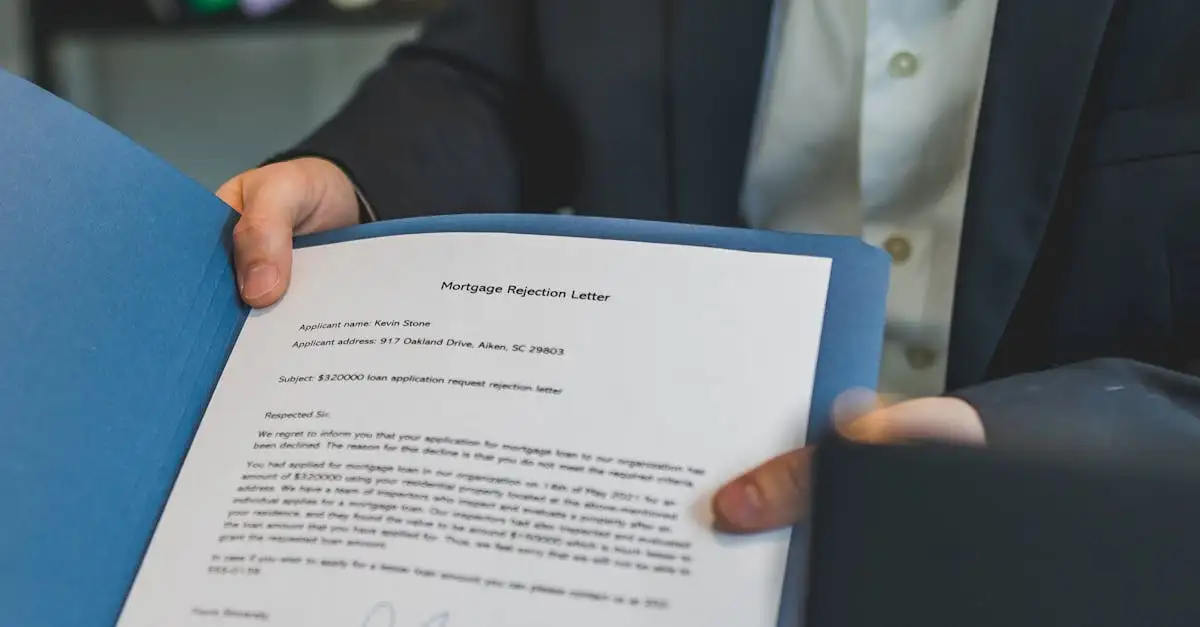 Revolving vs. Installment Loans: The Key Difference
It helps to compare this to something familiar, like an installment loan. With an installment loan (think of a car loan), you get all the money upfront. You then make fixed monthly payments over a set period. Once you pay it off, the account closes. You need a new application for new borrowing needs.
A revolving credit agreement works differently. Your access keeps turning over.
- Installment Loan: Fixed payments, fixed term, closed once paid.
- Revolving Loan: Flexible payments (usually based on usage), ongoing access, funds replenish as you pay down the balance.
This distinction is vital when planning your finances. Knowing which tool fits which job saves you time and money.
Where Do You Find Revolving Credit Options?
You interact with revolving credit arrangements often, perhaps without realizing the formal name. They come in several common forms that support both personal and business needs.
Personal Lines of Credit
A personal line of credit functions much like a credit card, but often without the transaction fees associated with plastic. A lender approves you for a specific maximum amount. You can draw funds electronically or via checks provided by the lender. This is excellent for managing uneven income streams or covering large, intermittent expenses, like home repairs or covering tuition payments spanning several months.
VIDEO: What is a Revolving Credit? | Explained
Credit Cards: The Most Common Revolving Product
Simply put, your standard credit card is the most ubiquitous example of a revolving loan. You have a limit. You charge purchases. You pay them down. The available credit instantly returns. Managing your revolving credit utilization here is very important for your overall financial health.
Understand Understanding Revolving Loans: Definition, Features, and better through this collection of articles.
Business Revolving Credit Facilities
Businesses rely heavily on this flexibility. A business revolving credit facility helps companies manage working capital gaps. Perhaps inventory purchases spike before a major sales season. The business draws on the line to cover that cost, generates sales, repays the draw, and the funds are ready for the next operational need. This smooths out the cash flow cycle significantly.
The Advantages of Using Revolving Credit
Why choose a revolving structure over a standard loan? The benefits center on control and accessibility.
You Only Pay for What You Use
This is arguably the biggest financial advantage. If you have a $20,000 line of credit but only use $3,000 this month, your interest charges apply only to that $3,000. With an installment loan, you pay interest on the full $20,000 from day one, regardless of how quickly you spend it. This efficiency helps protect your budget.
Immediate Accessibility for Emergencies
Life throws curveballs. When an urgent need arises—a major appliance fails, or unexpected medical bills appear—having a pre-approved line of credit ready provides peace of mind. You avoid the time lag involved in applying for a new loan during a crisis. You access necessary funds quickly.
Building Financial Flexibility Over Time
As you responsibly manage your revolving credit—drawing funds when necessary and paying them back promptly—you demonstrate good credit behavior. This consistent, responsible management strengthens your credit profile over time. Successfully managing this type of ongoing credit shows lenders you handle revolving debt well.
How Do You Qualify for a Revolving Loan?
Lenders assess your ability to repay the credit line just as they would for any other debt. Your financial health dictates the terms you receive. To understand more about this type of financing, read what a revolving credit loan is.
Credit History Matters Significantly
Your credit score provides a quick snapshot of your past borrowing behavior. A strong score usually means a higher approved credit limit and potentially lower interest rates on the funds you use. Lenders look closely at how you have handled previous revolving accounts.
Income Verification and Debt-to-Income Ratio
Lenders need proof you possess the income necessary to service the debt, even if you are not currently using the full limit. They calculate your debt-to-income ratio (DTI). A lower DTI signals that you have more disposable income available to handle potential repayments, making you a less risky borrower for their revolving product.
Managing Your Revolving Credit Wisely
Flexibility demands responsibility. Because you *can* borrow again immediately after paying, it’s easy to fall into the trap of perpetual debt if you aren’t careful. Effective management is key to leveraging the power of a revolving loan.
Focus on Paying Down the Principal
While you often have minimum payment requirements, paying only the minimum keeps you indebted longer and increases the total interest paid. Make a plan to aggressively pay down the principal balance whenever possible. When you reduce the outstanding balance, you instantly increase your available credit and reduce future interest charges.
Watch Your Credit Utilization Ratio
For revolving accounts like credit cards, lenders watch how much of your total available limit you are actually using. This is the utilization ratio. Experts generally advise keeping this ratio low—ideally below 30%—to maintain a healthy credit score. Maxing out a line of credit signals stress to potential future lenders.
A revolving loan offers a powerful financial instrument, providing a safety net and operational flexibility. Understanding how it cycles—borrow, repay, reuse—empowers you to use this tool to support your short-term financial goals effectively.
Frequently Asked Questions About Revolving Loans
What interest rate applies to a revolving loan?
Interest rates are usually variable. They change based on market conditions and your specific credit agreement. You only pay interest on the outstanding balance you have drawn.
Is a mortgage a revolving loan?
No, a mortgage is an installment loan. You receive the full amount at closing and pay it down in fixed installments over a long term until the balance reaches zero.
How often can I repay the principal on a revolving line?
You typically make payments monthly, but you generally have the option to repay any portion of the principal whenever you choose, without penalty, to free up more available credit.


